My maternal grandfather, Carl Oscar Svensson, was a gifted engineer. He enrolled at the Massachusetts Institute of Technology in 1926 as an aeronautical engineer and joined the ROTC as an observer/gunner. He went on to graduate in 1931 and had a very successful career at Lockheed in Burbank CA, which spanned the early forties until his retirement in 1968. He was involved in “Skunk Works” and assisted in the design of the P38 (landing gear?), the U-2, SR-71 Blackbird, the P3 Orion (engines?), the SST and he was a chief engineer of the Constellation.
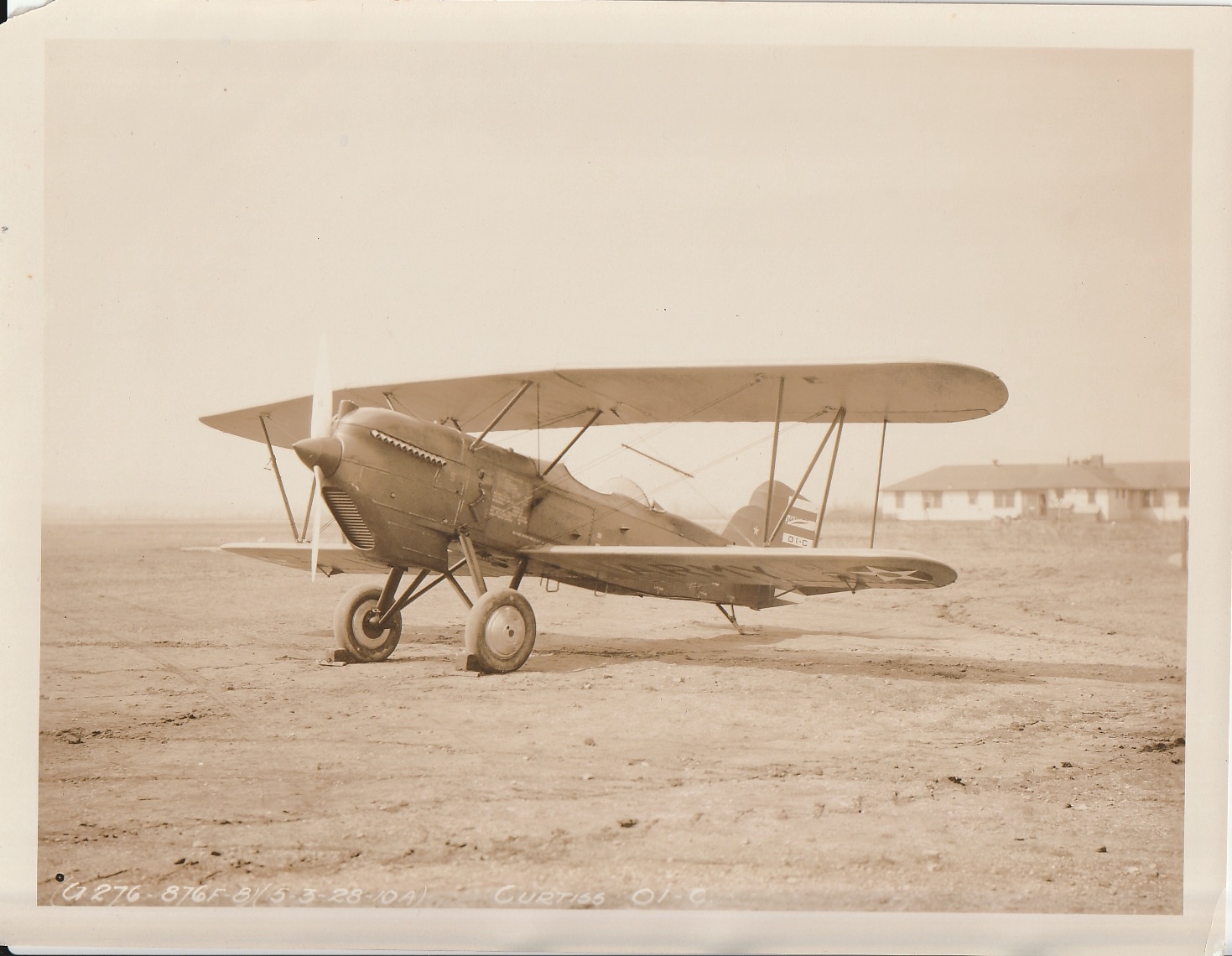
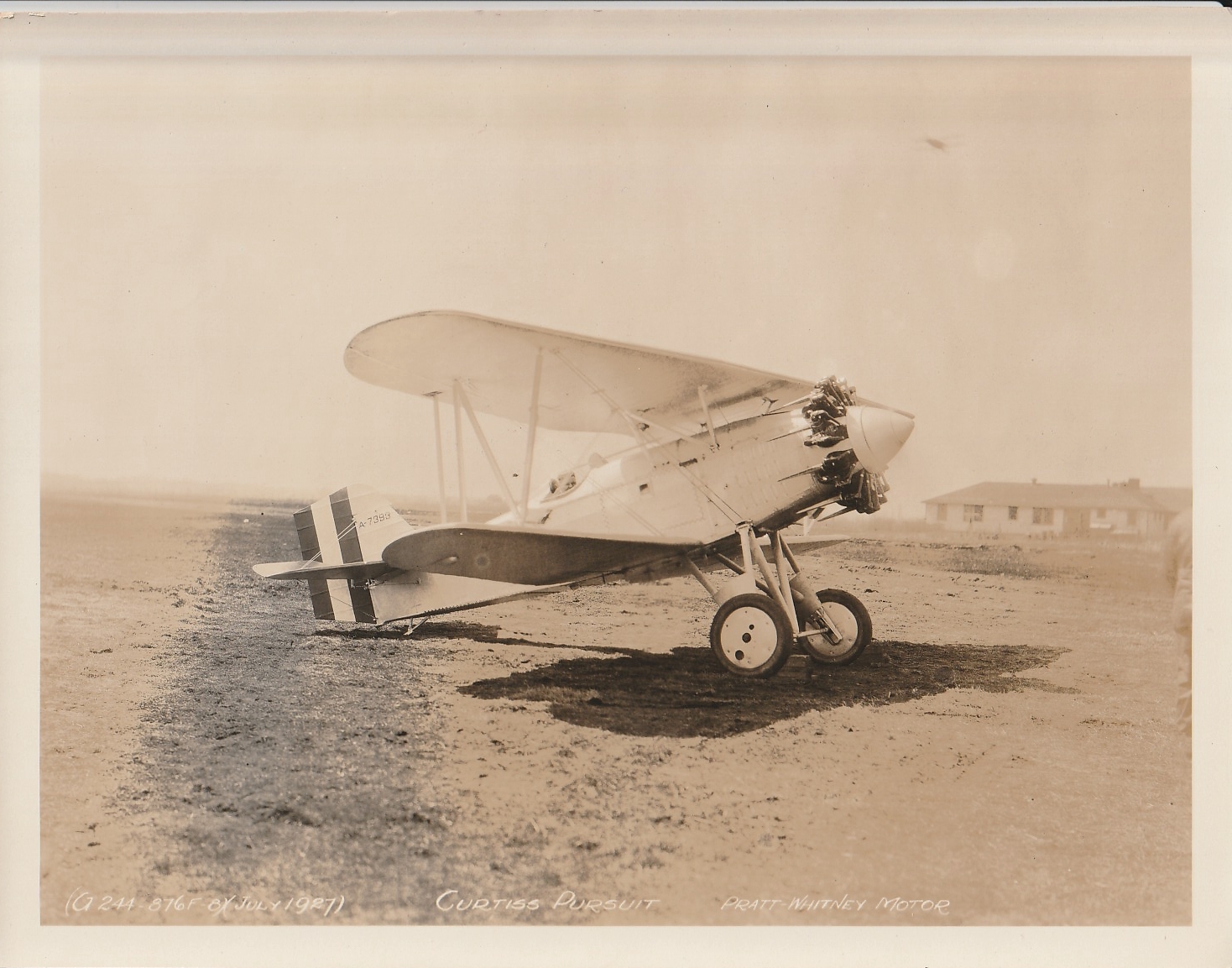
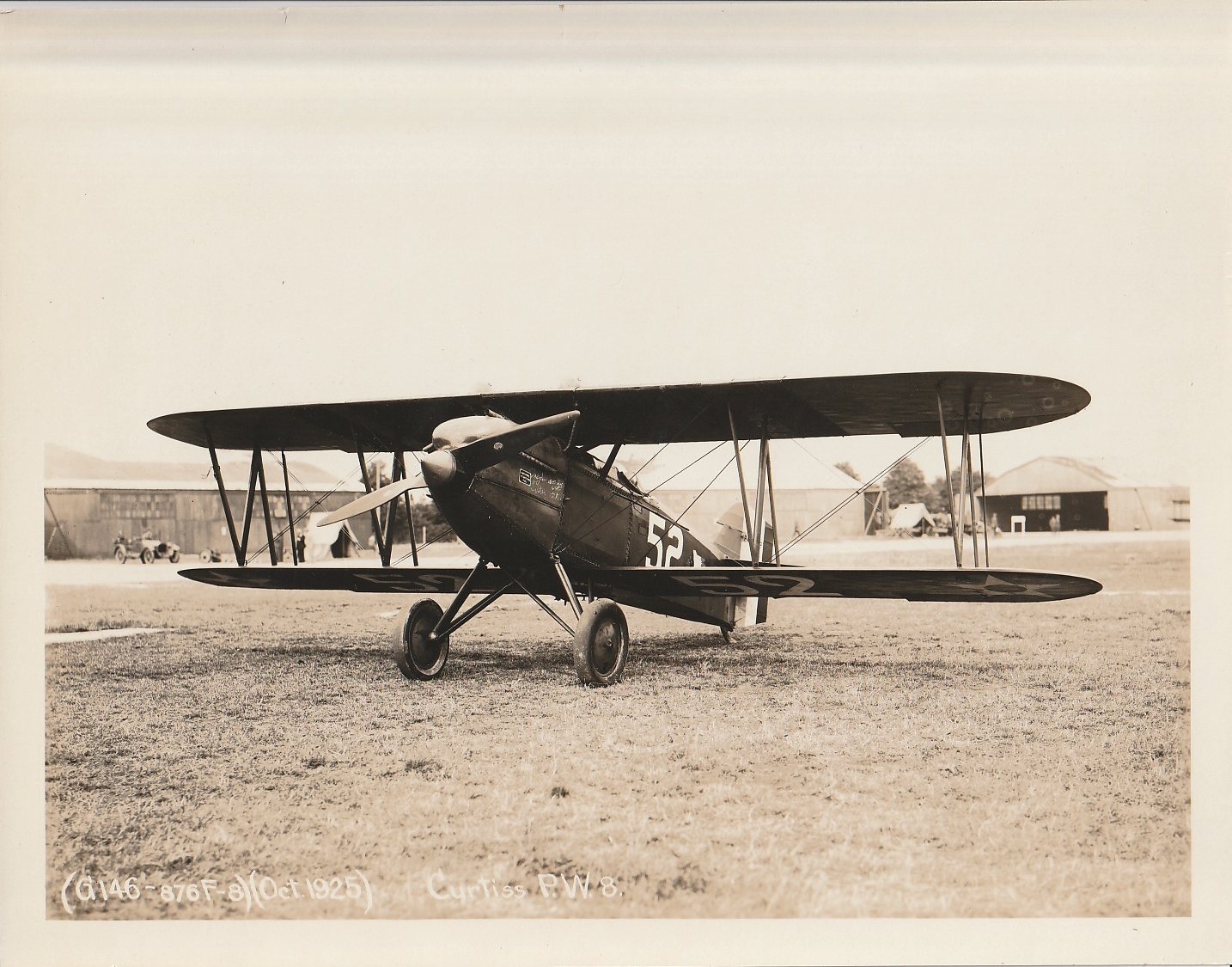
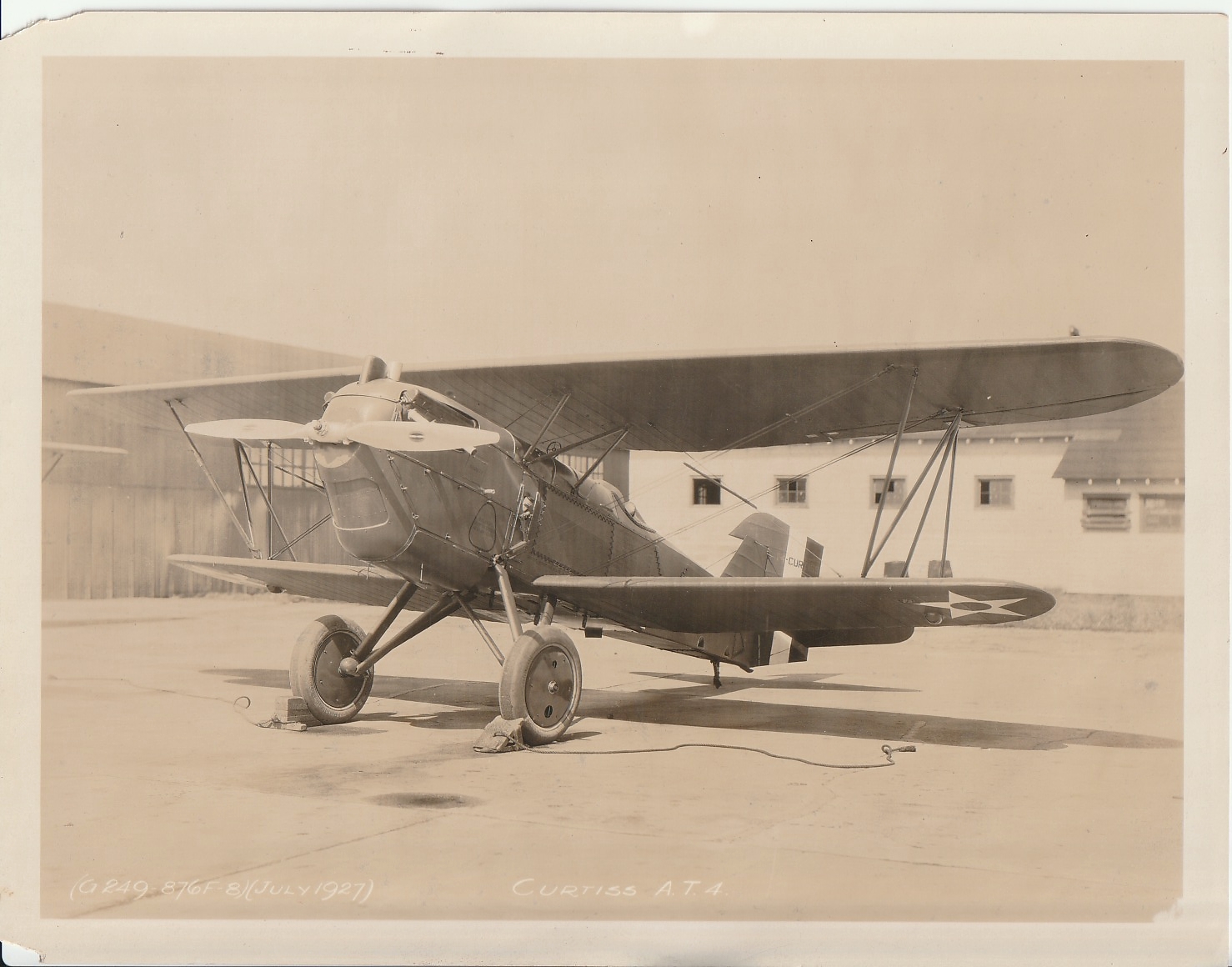
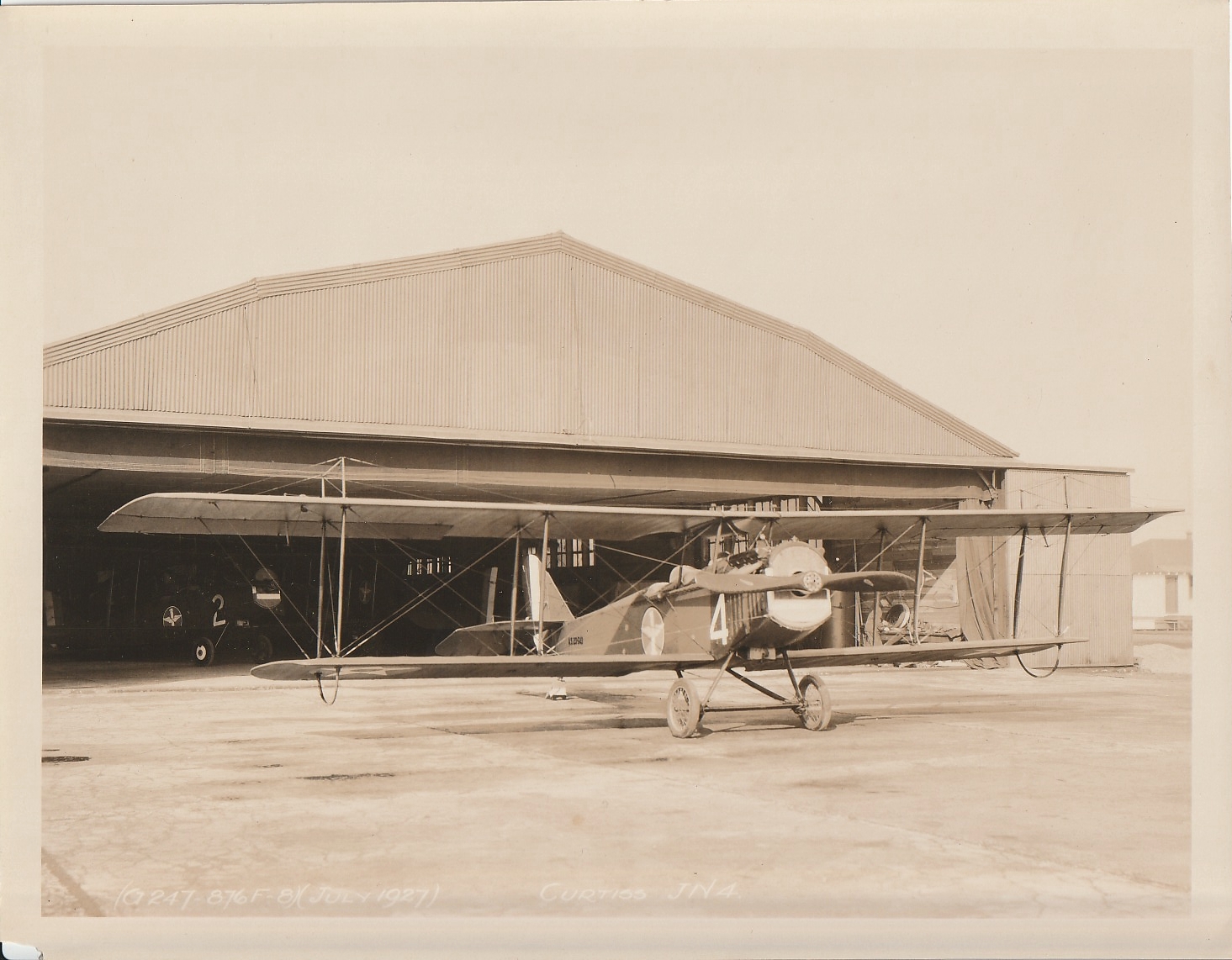
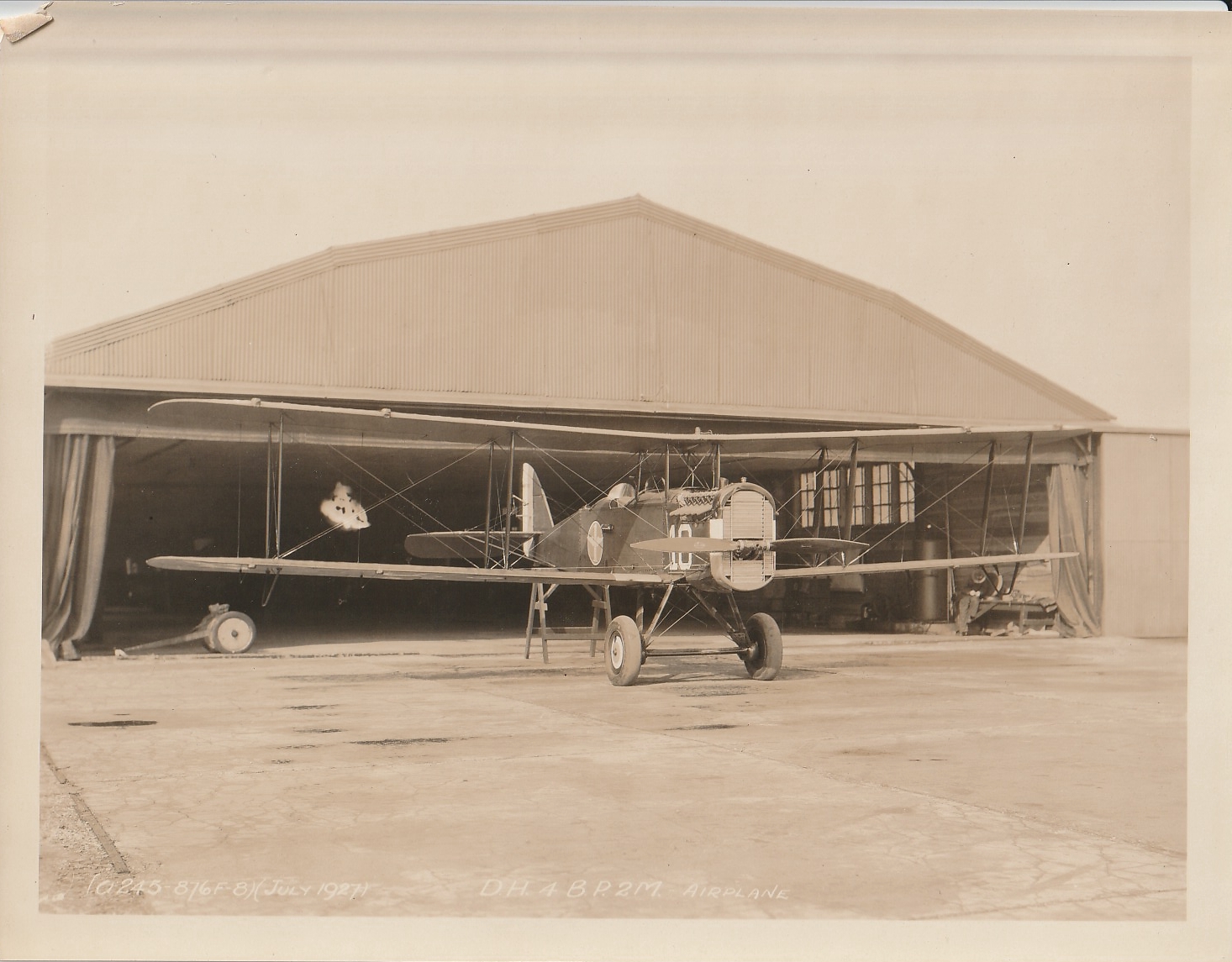
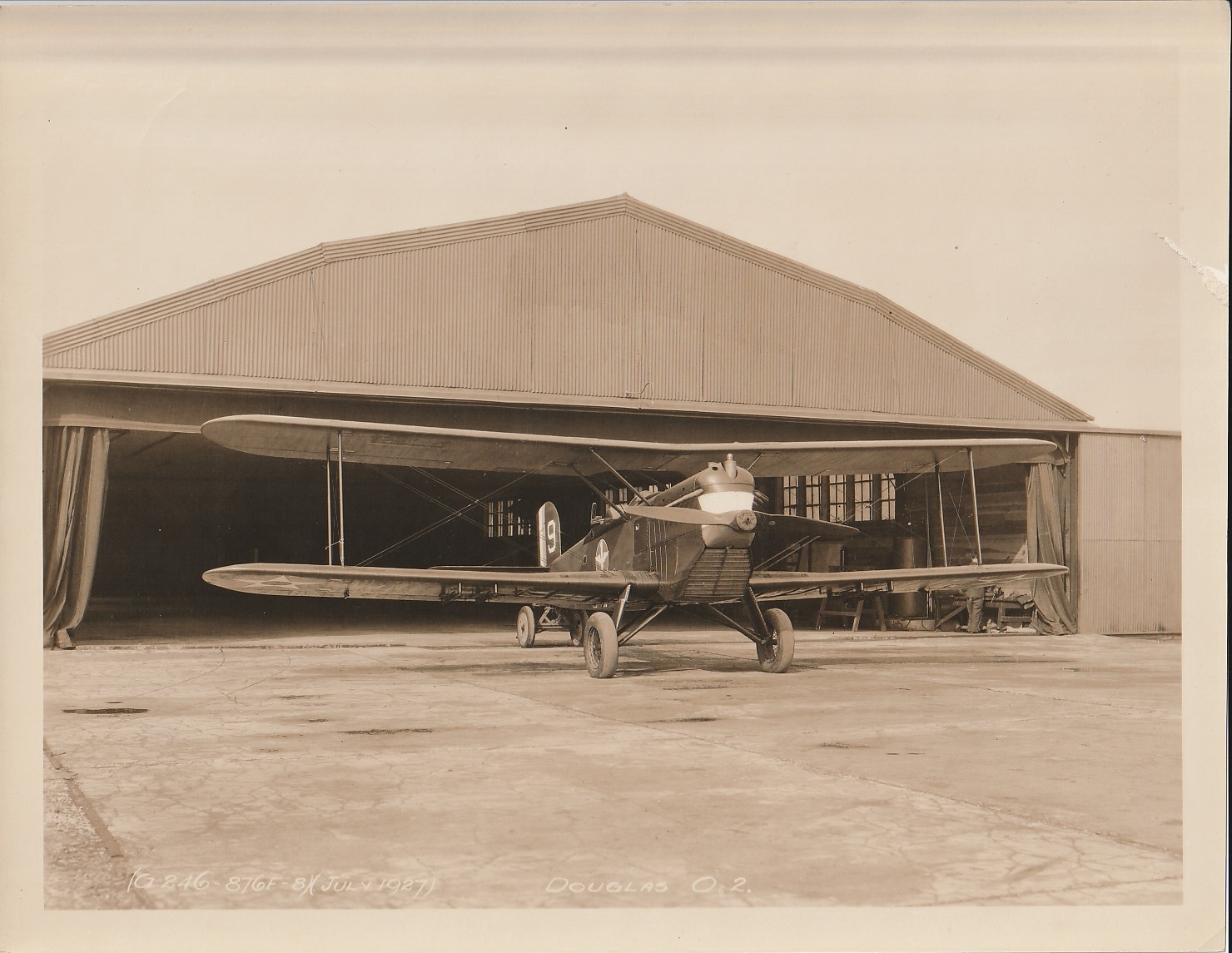
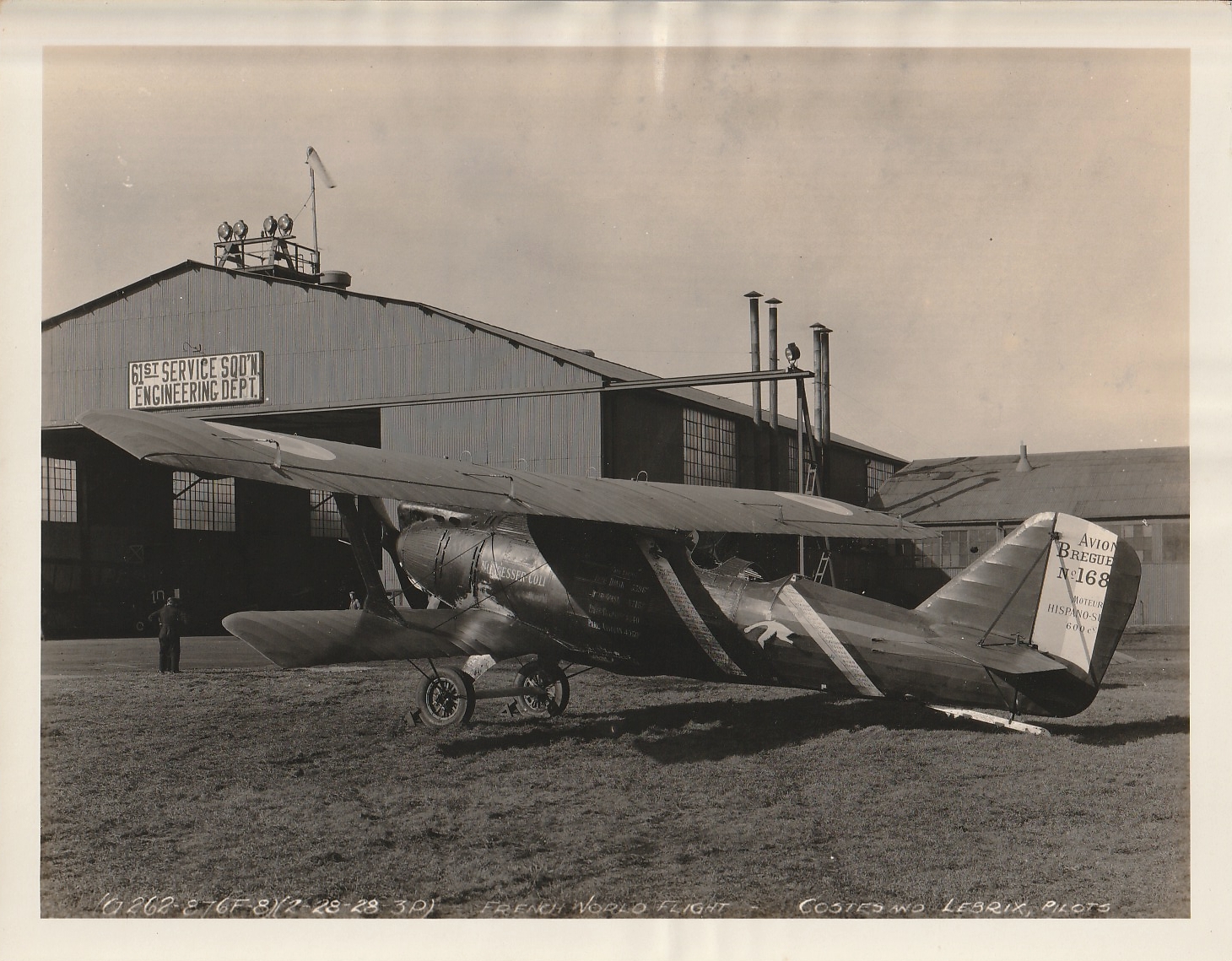
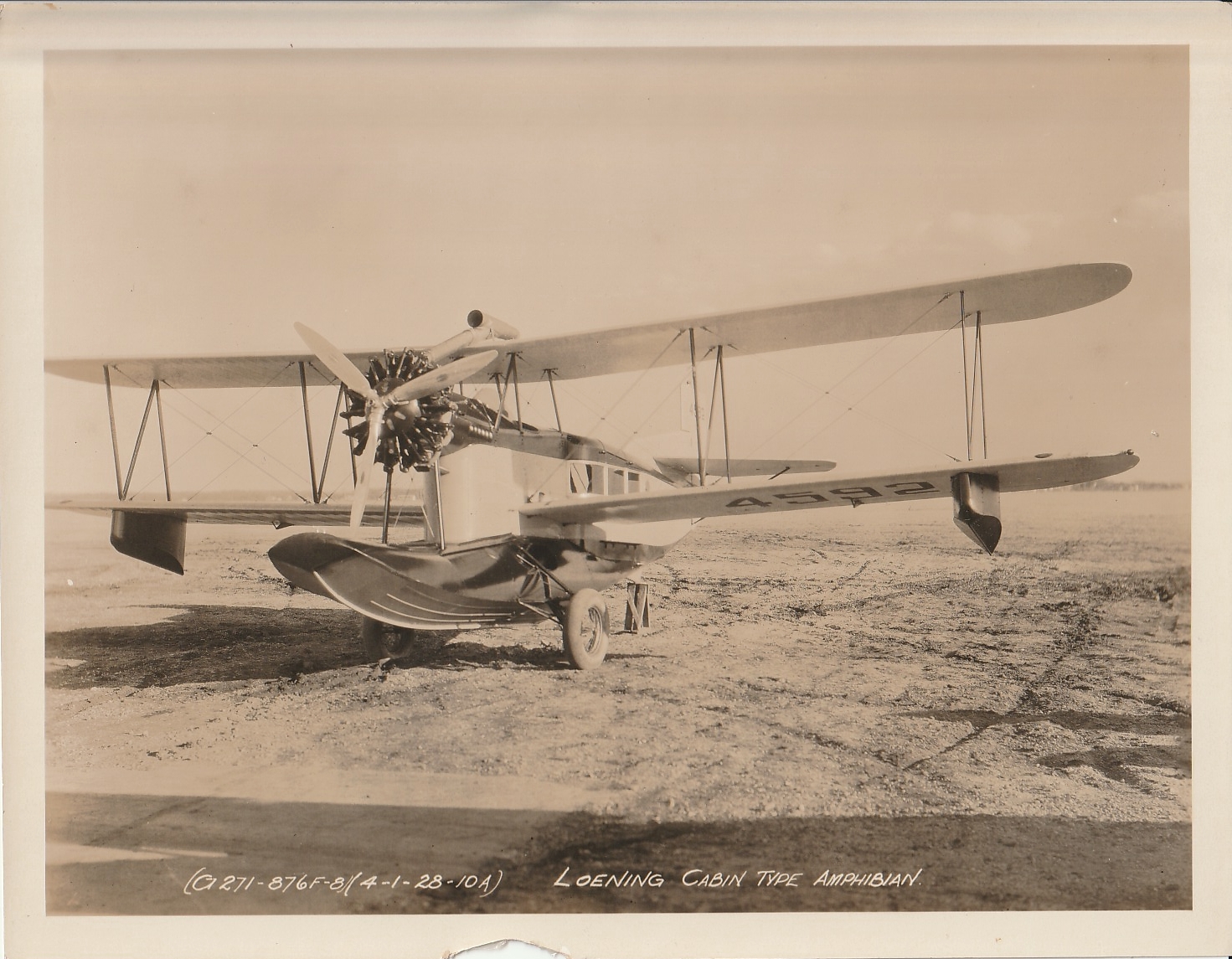
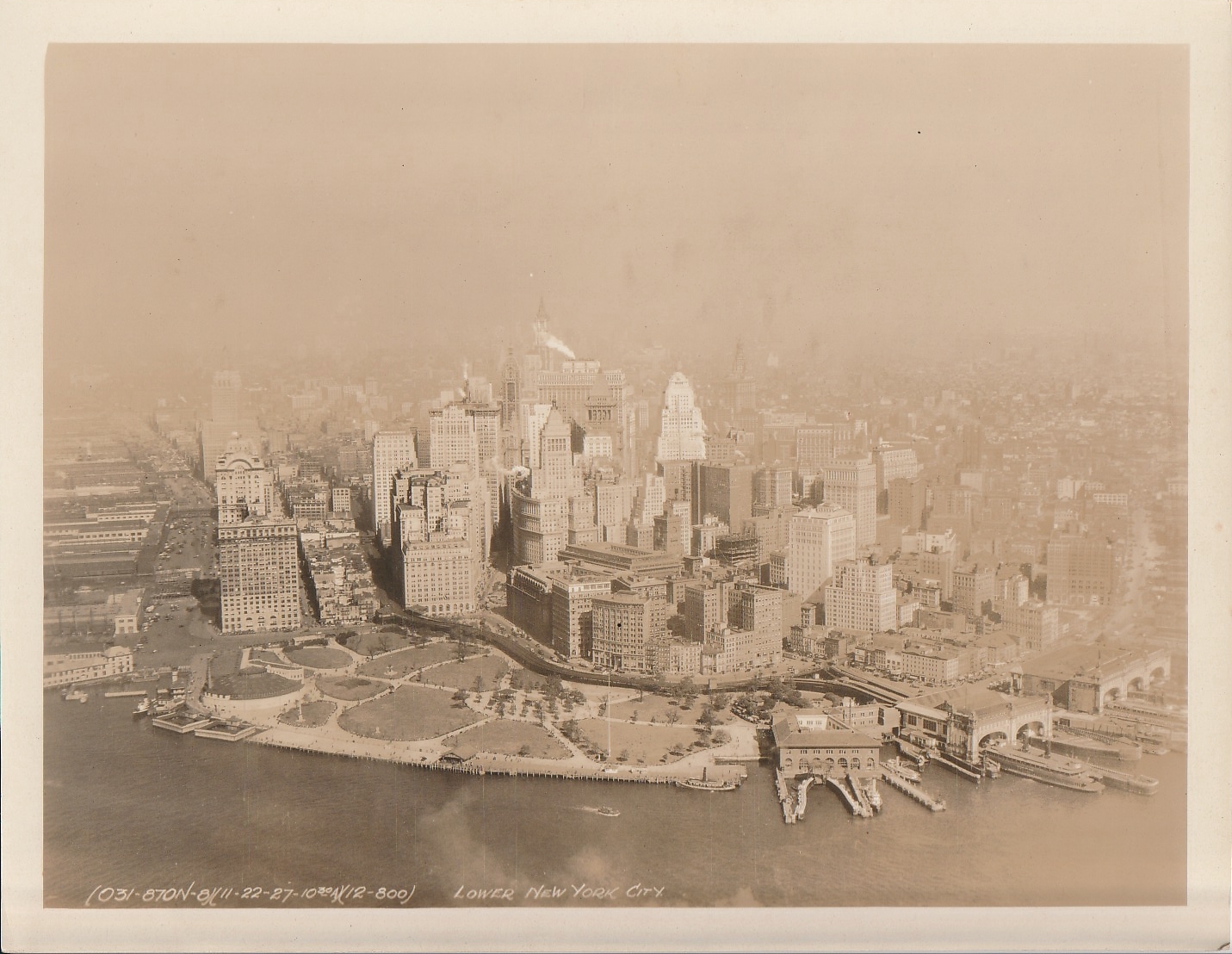
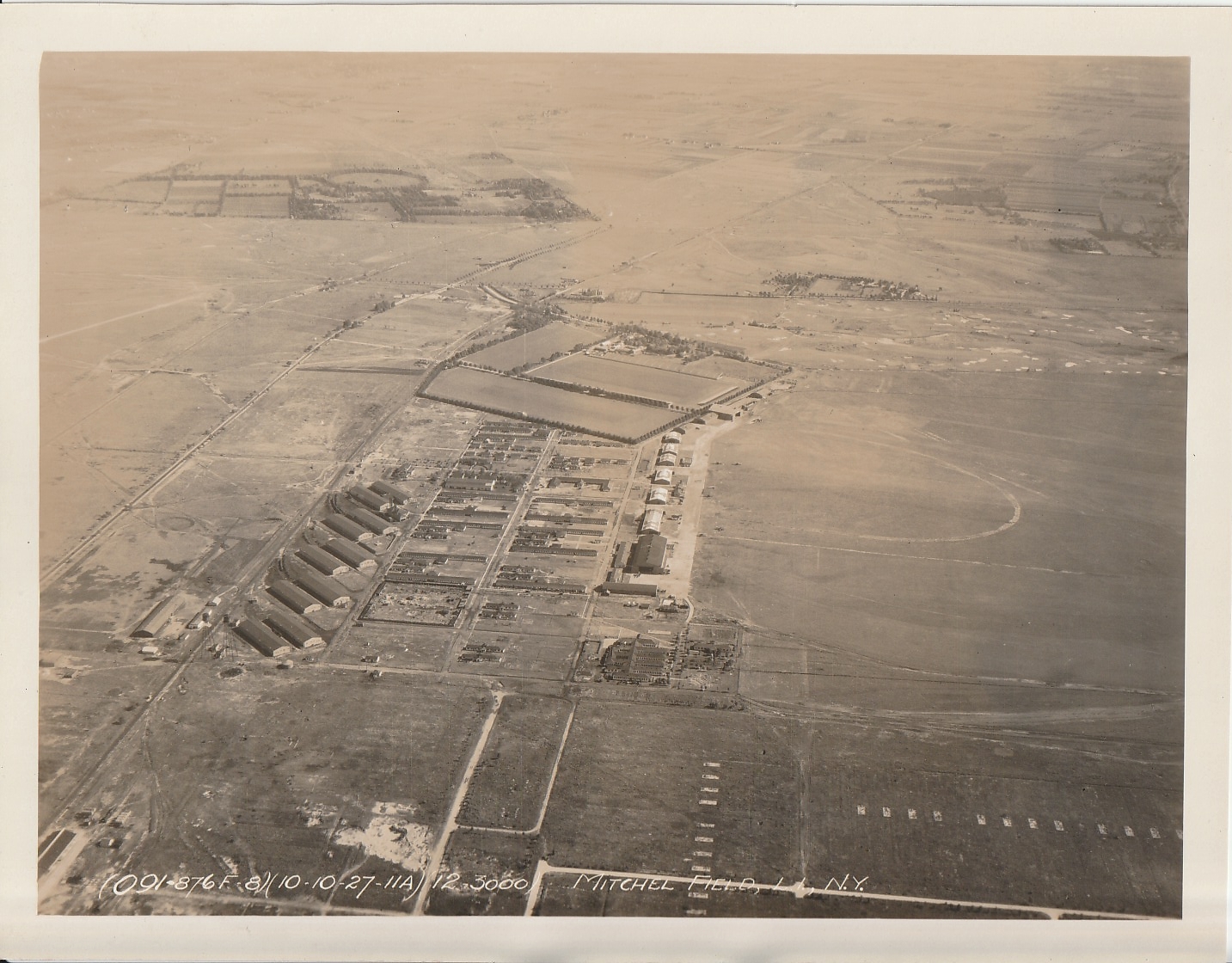
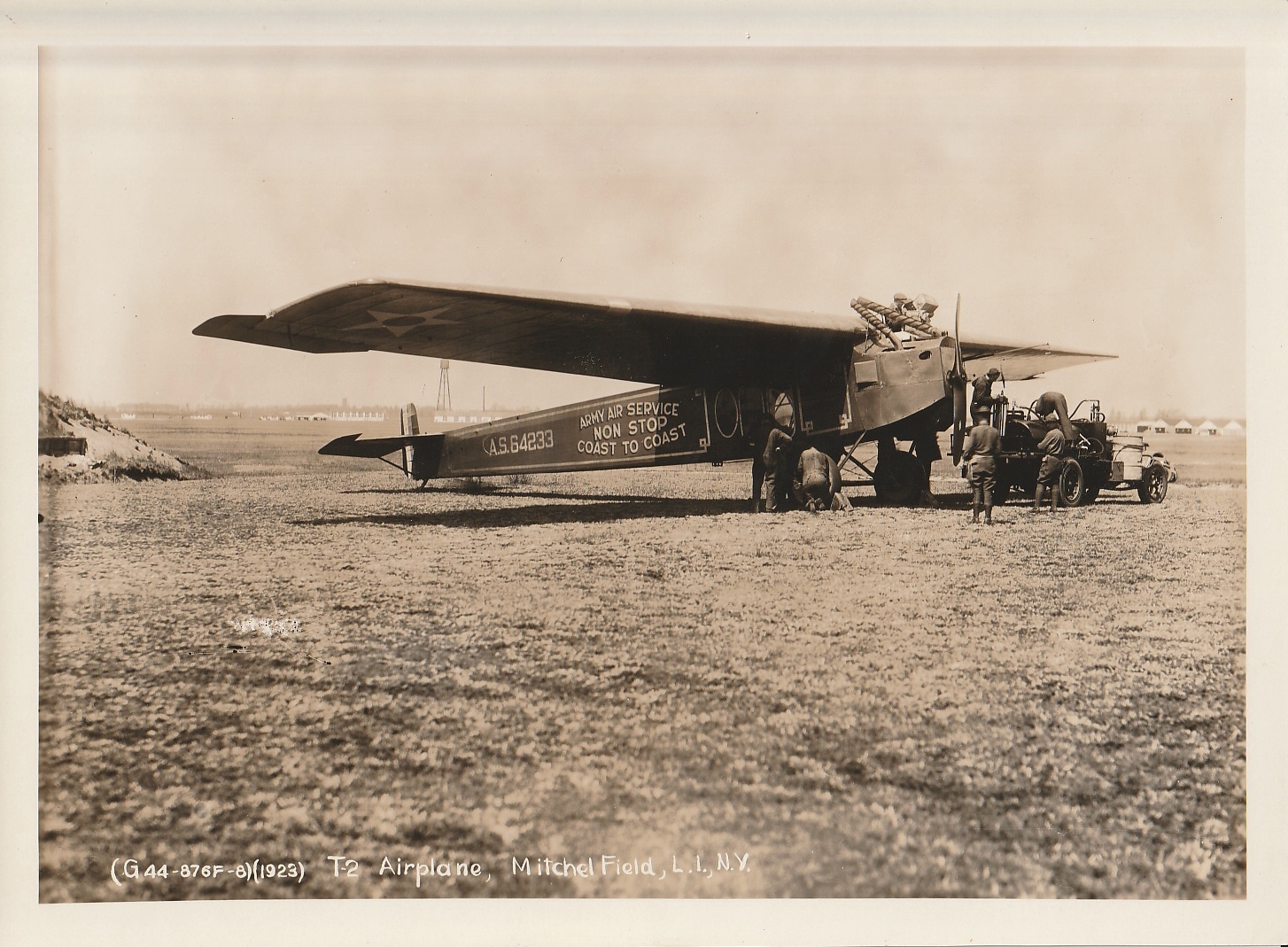
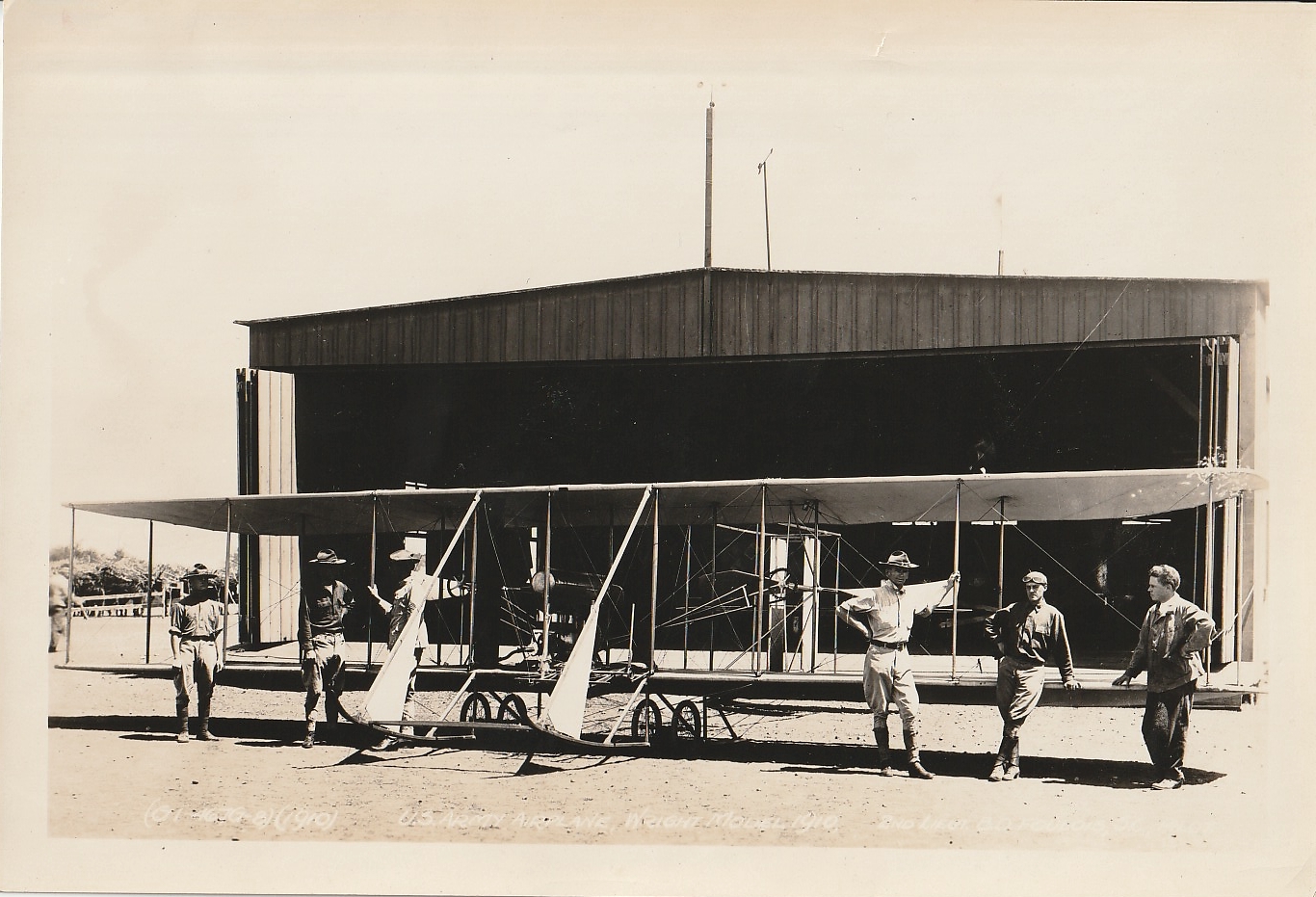
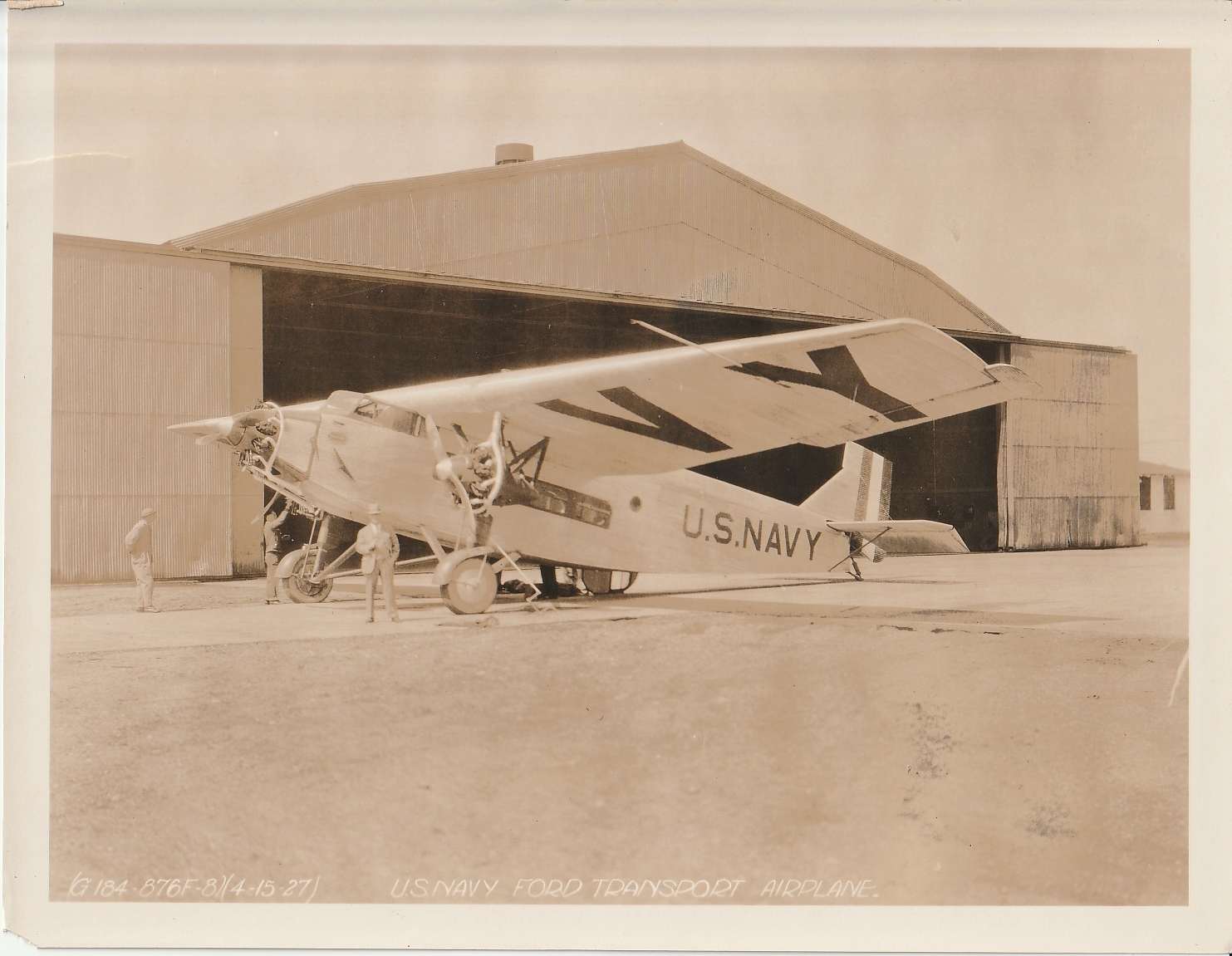
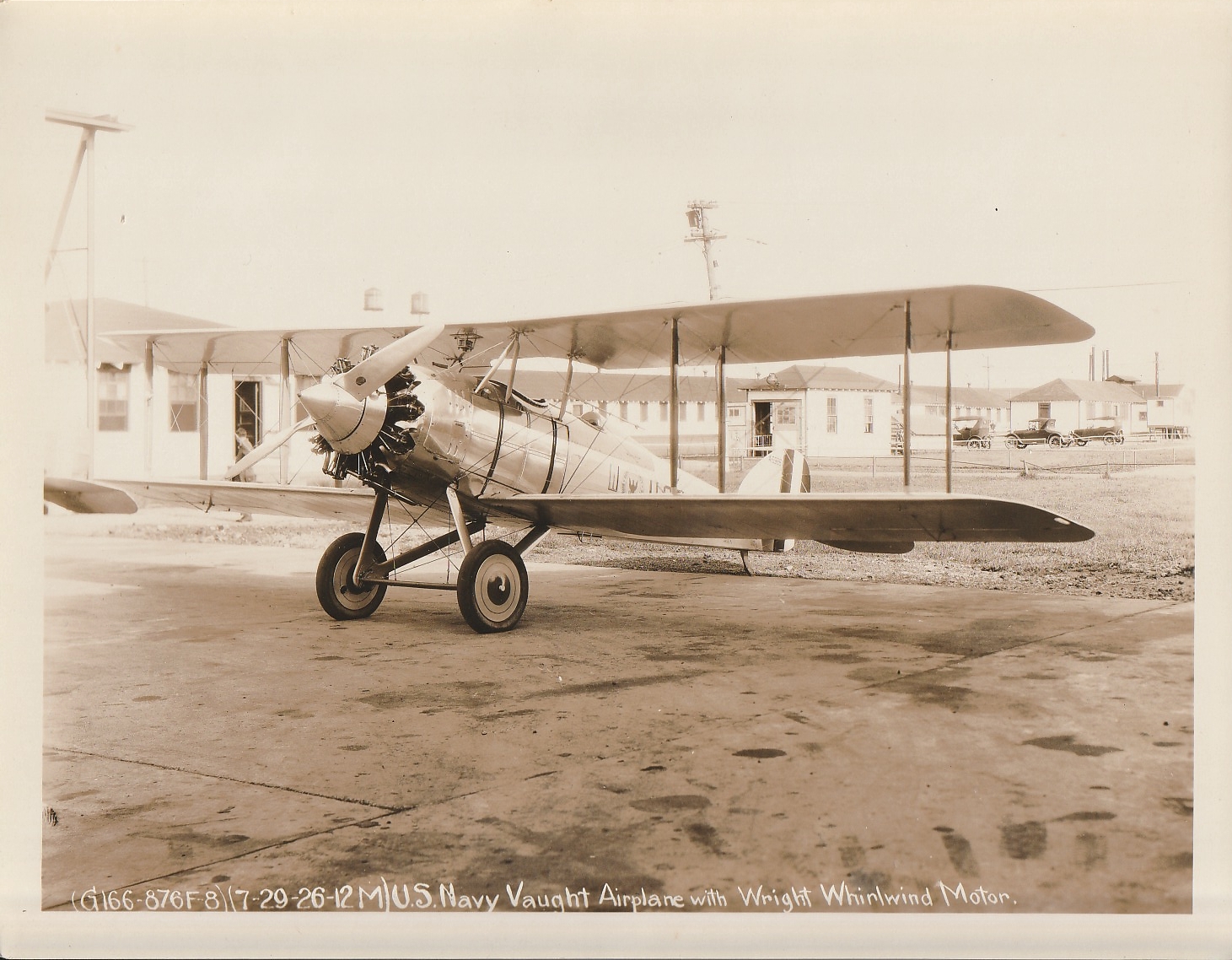
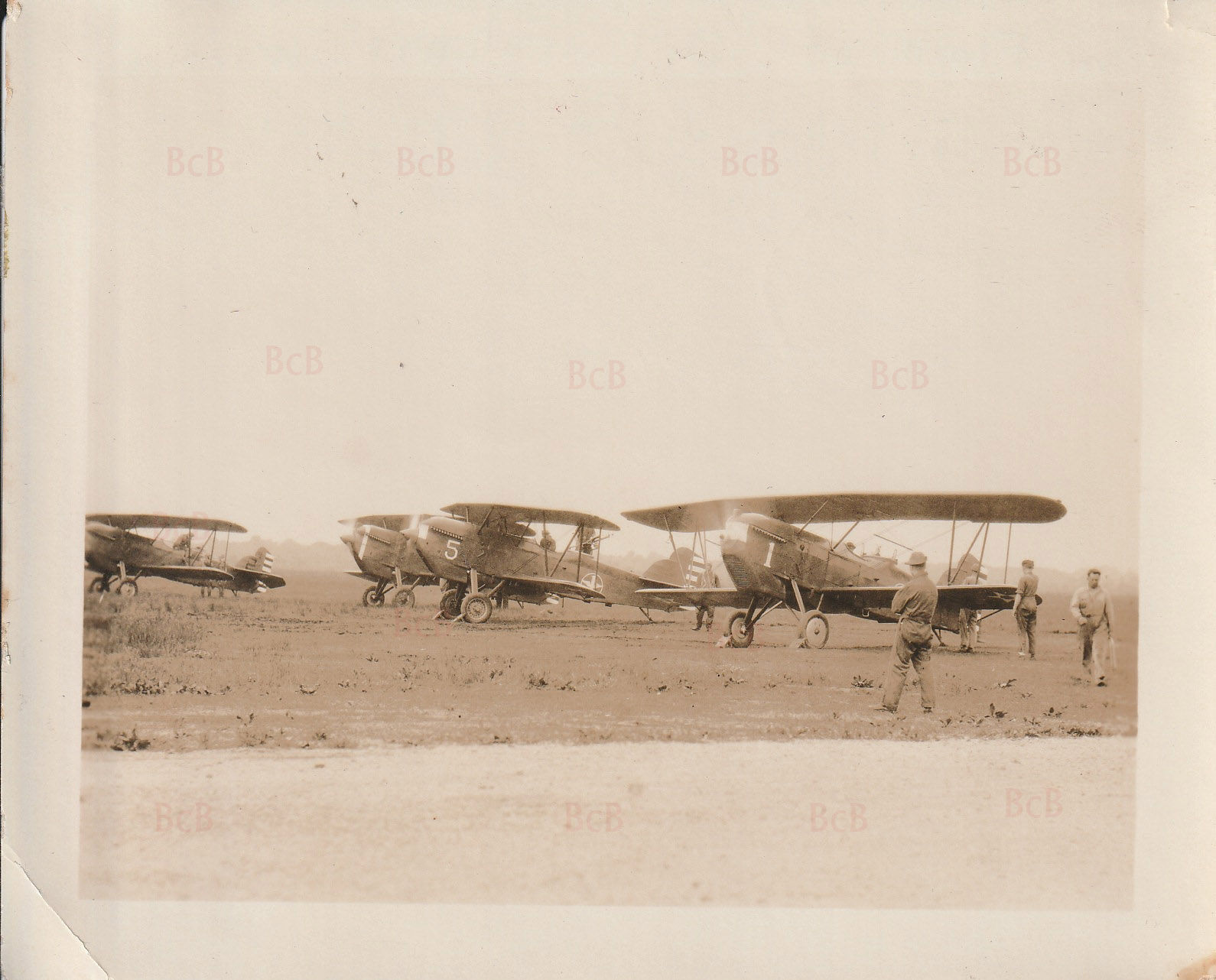
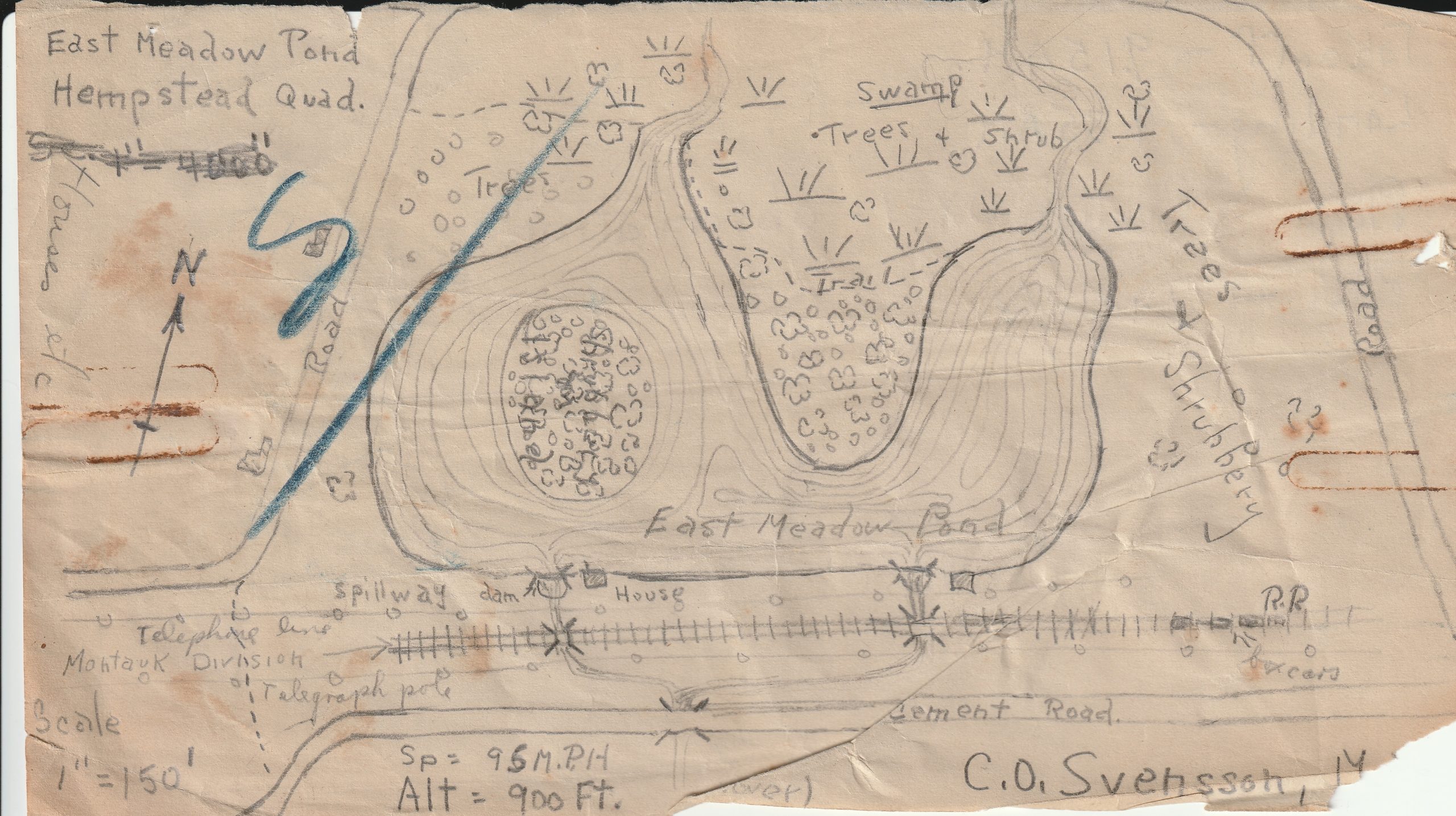
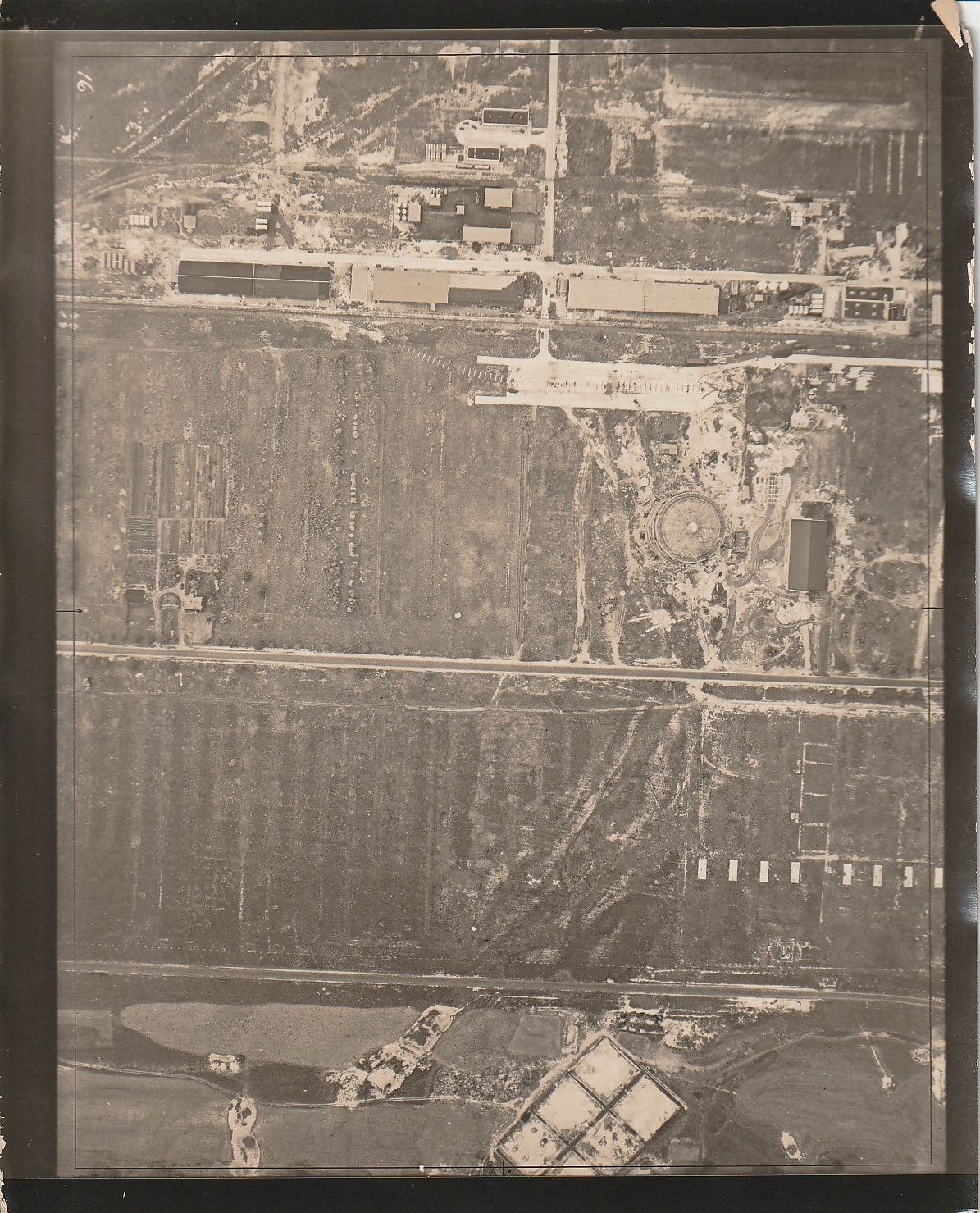
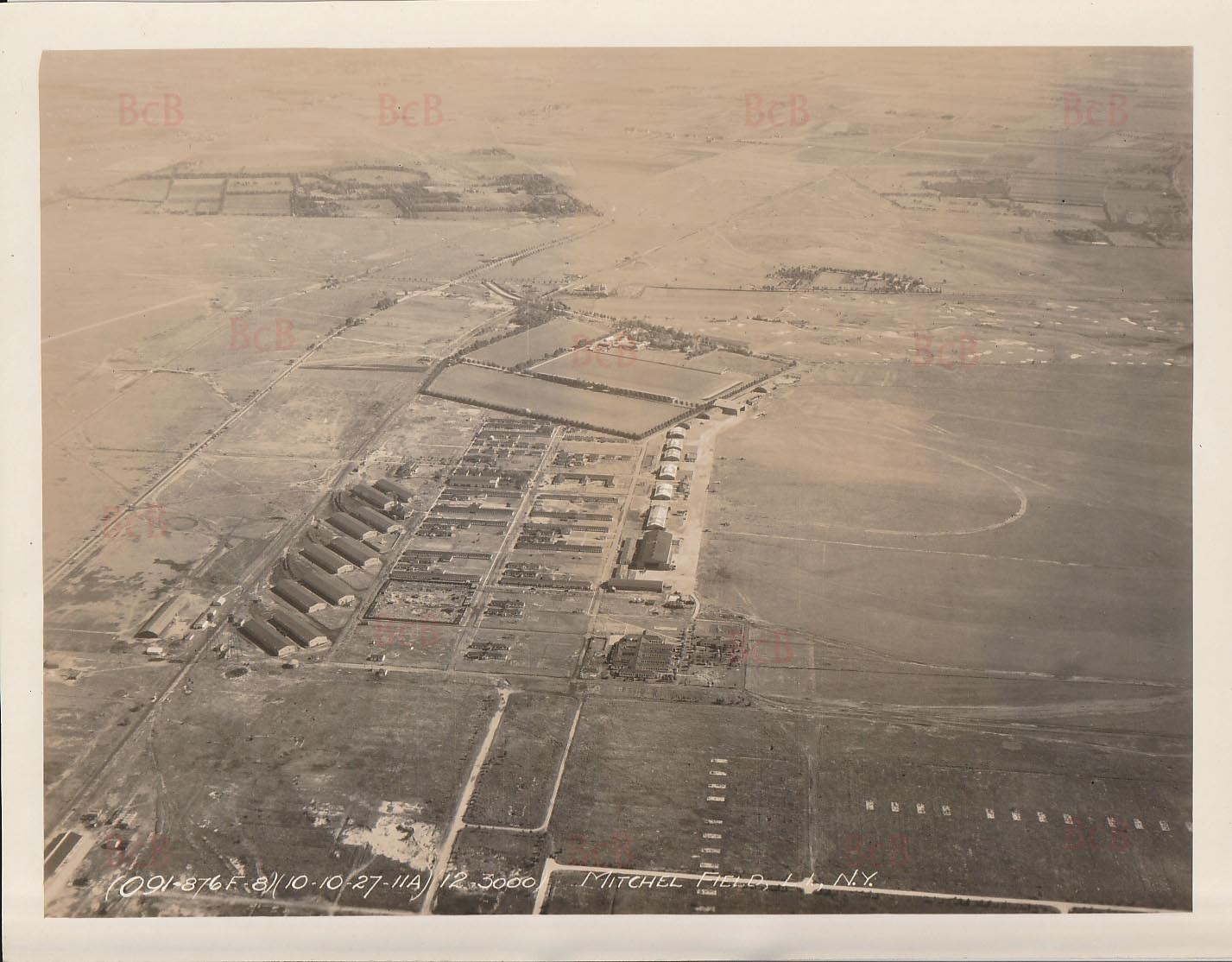
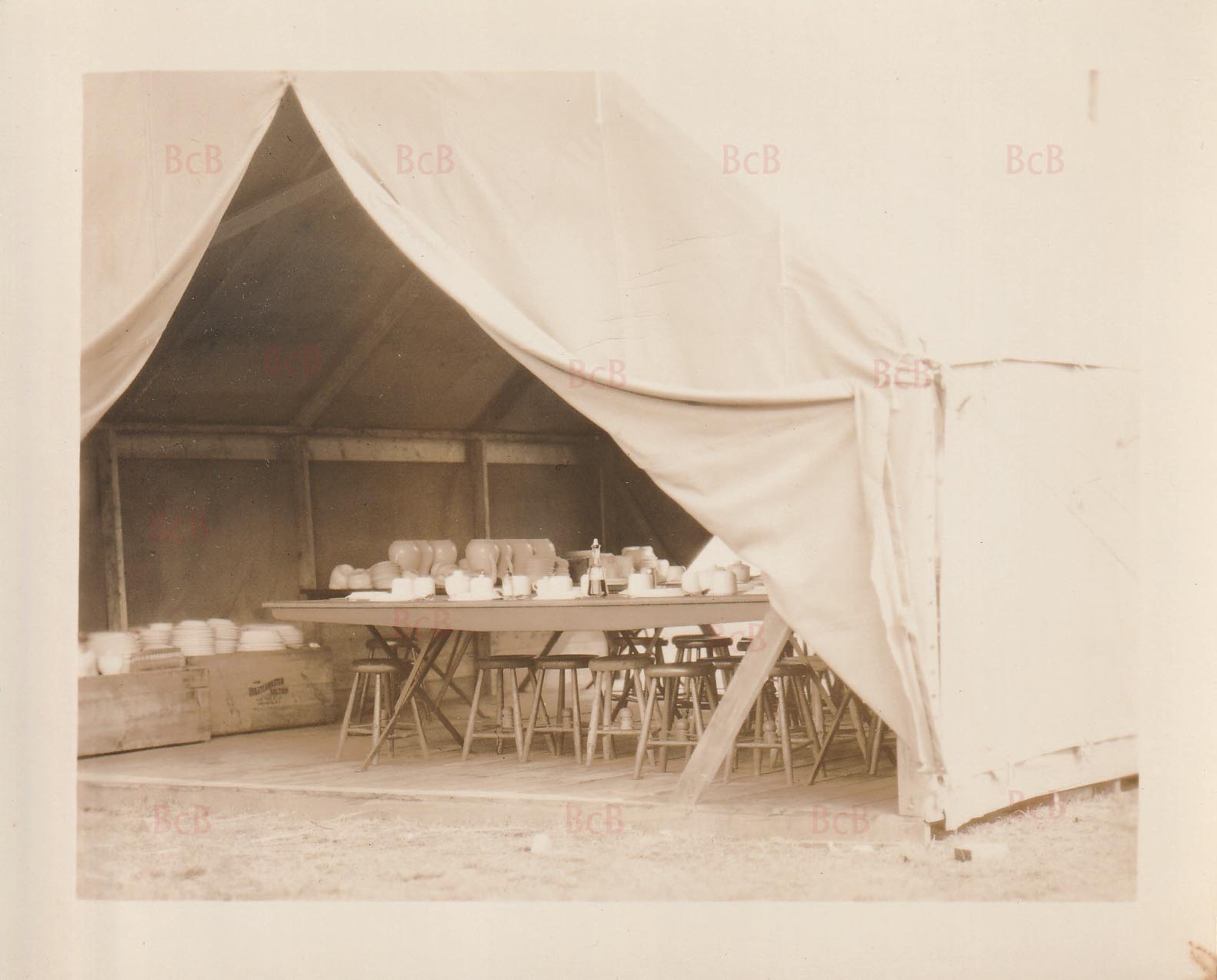
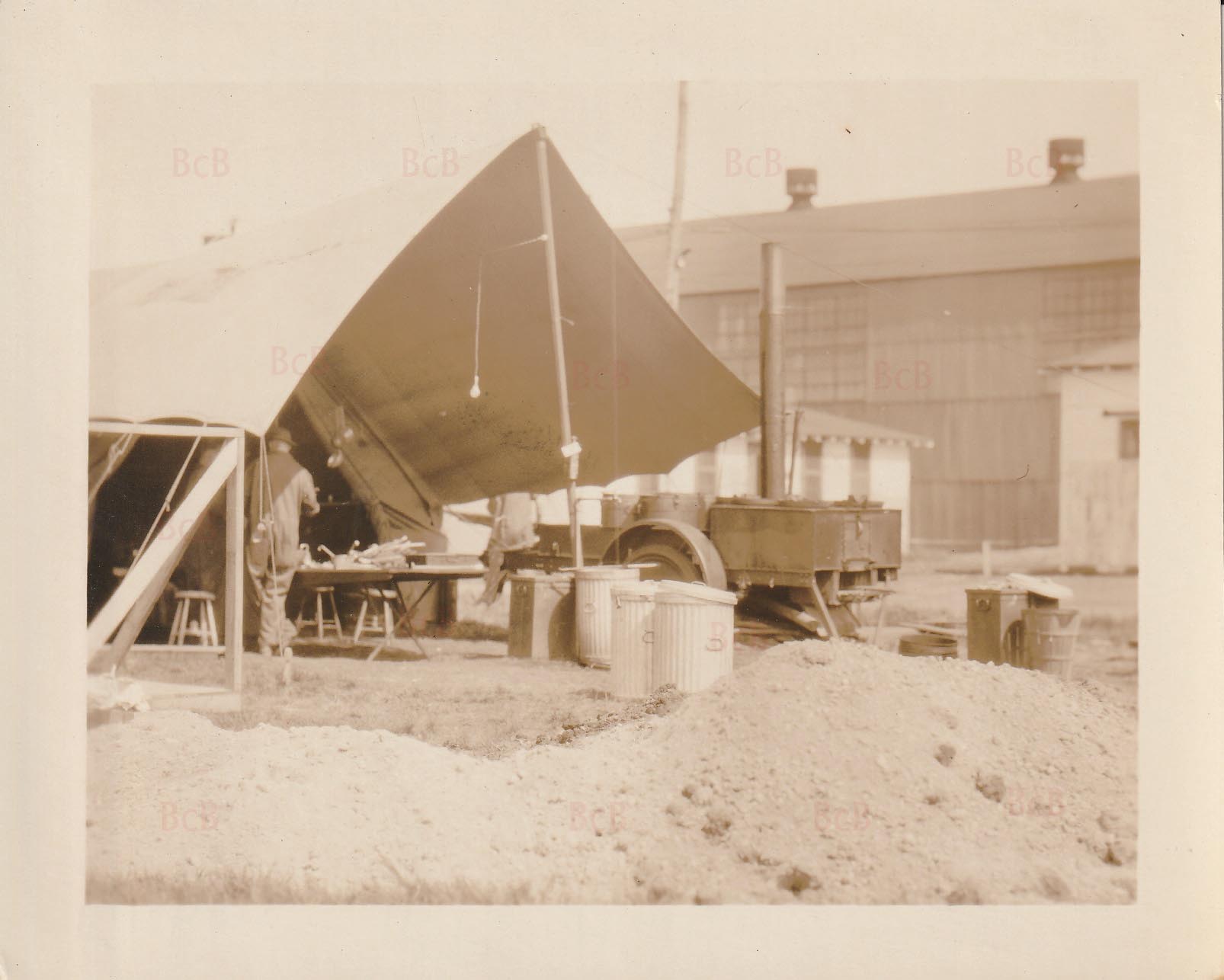
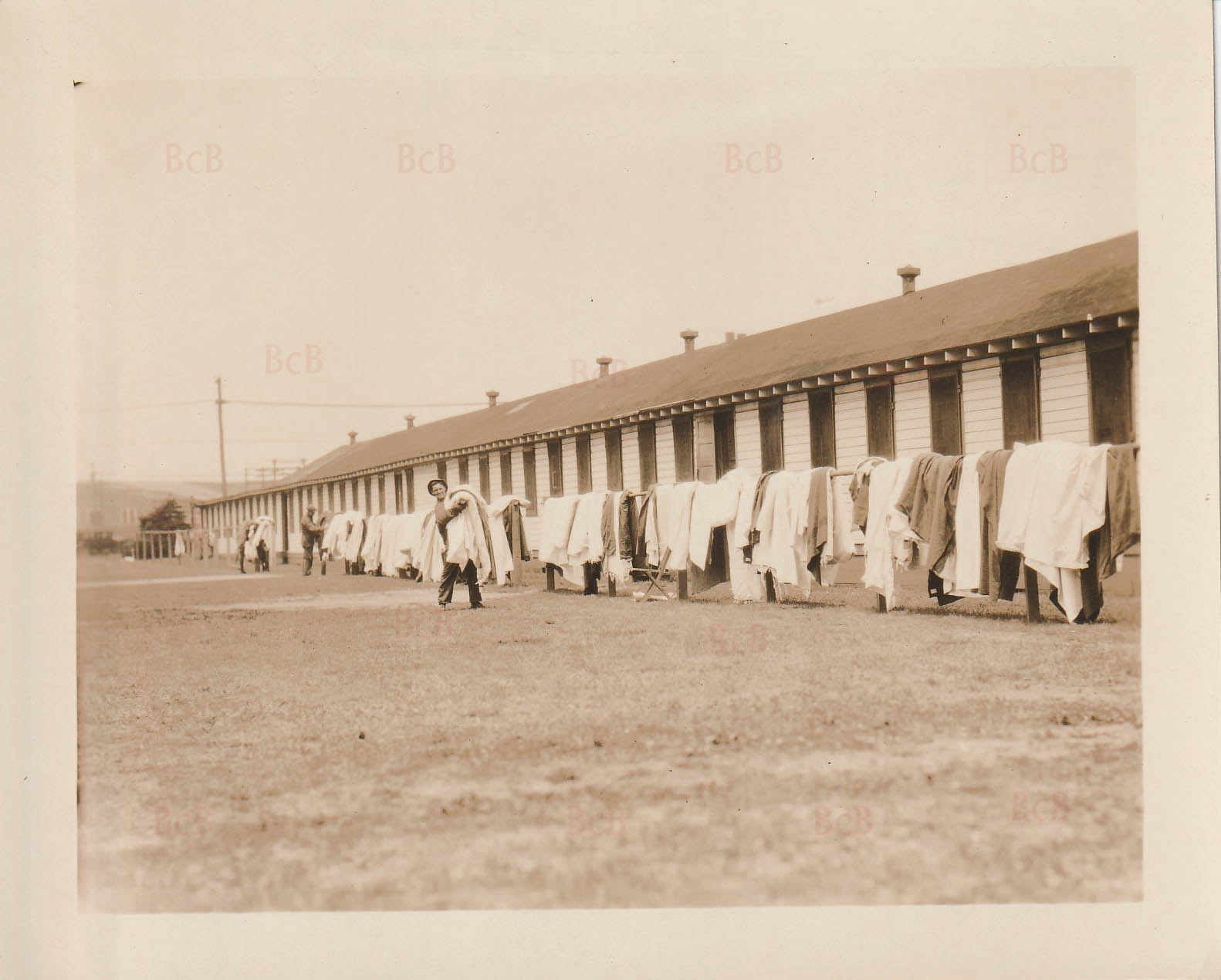
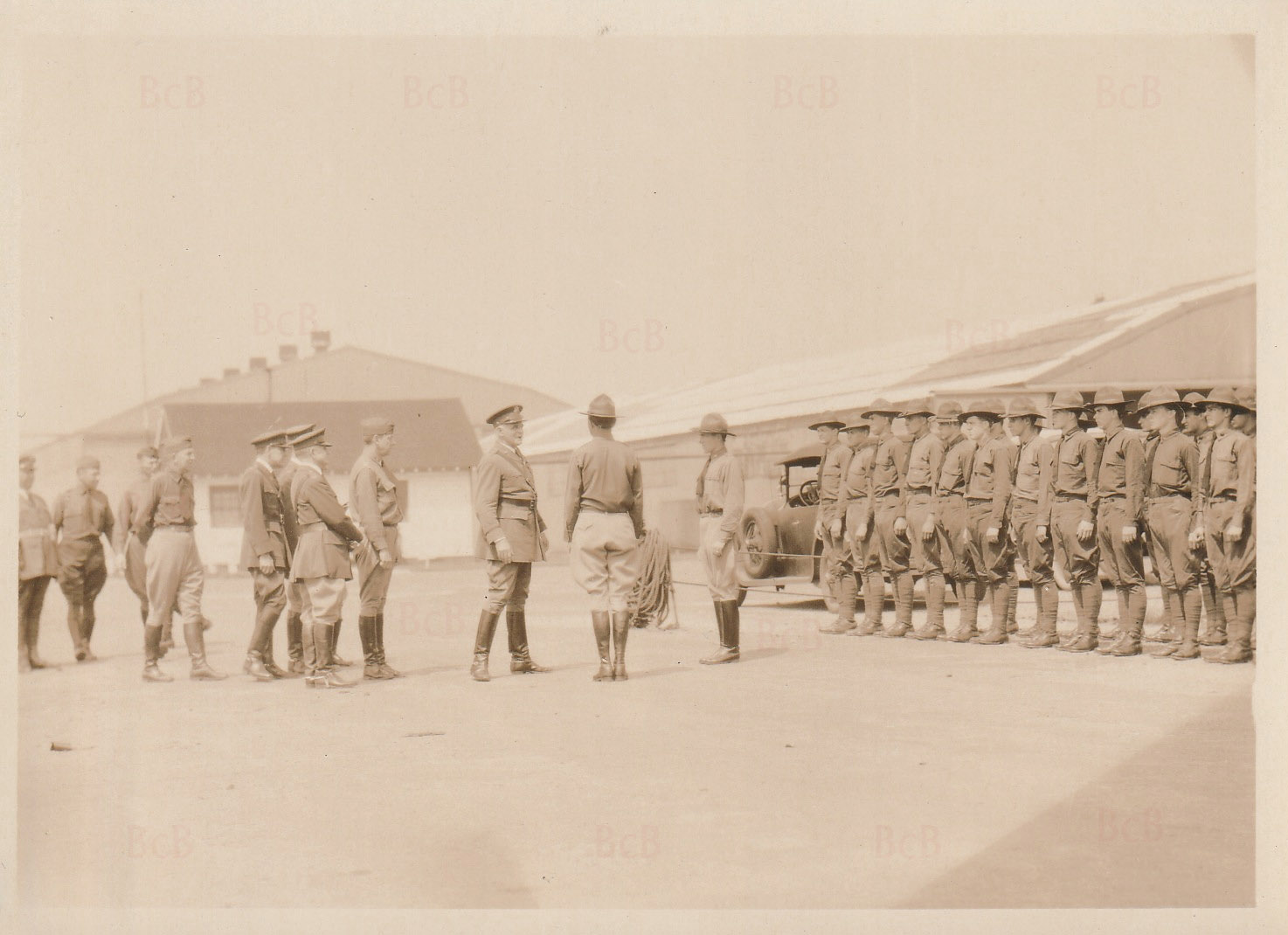
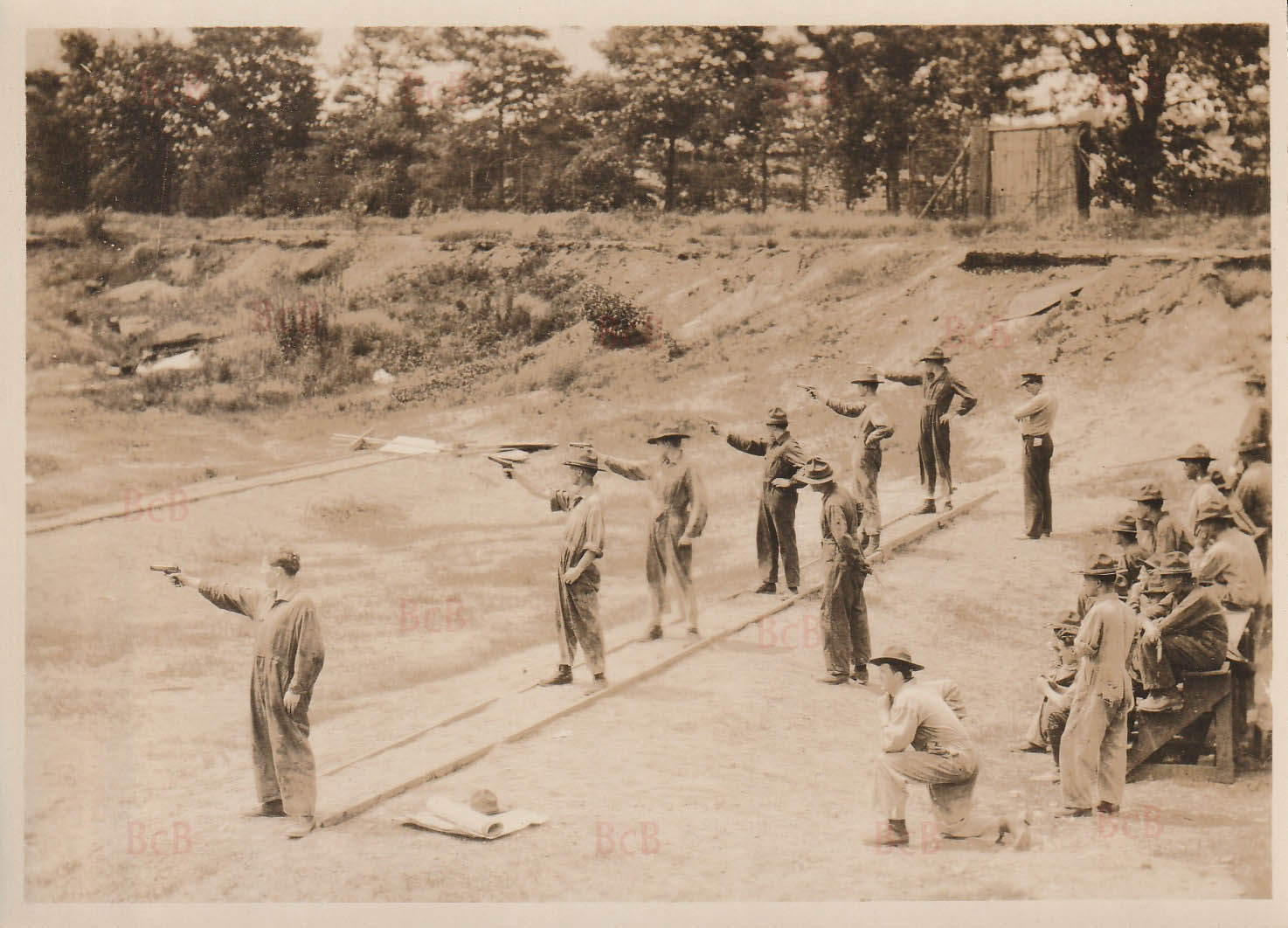
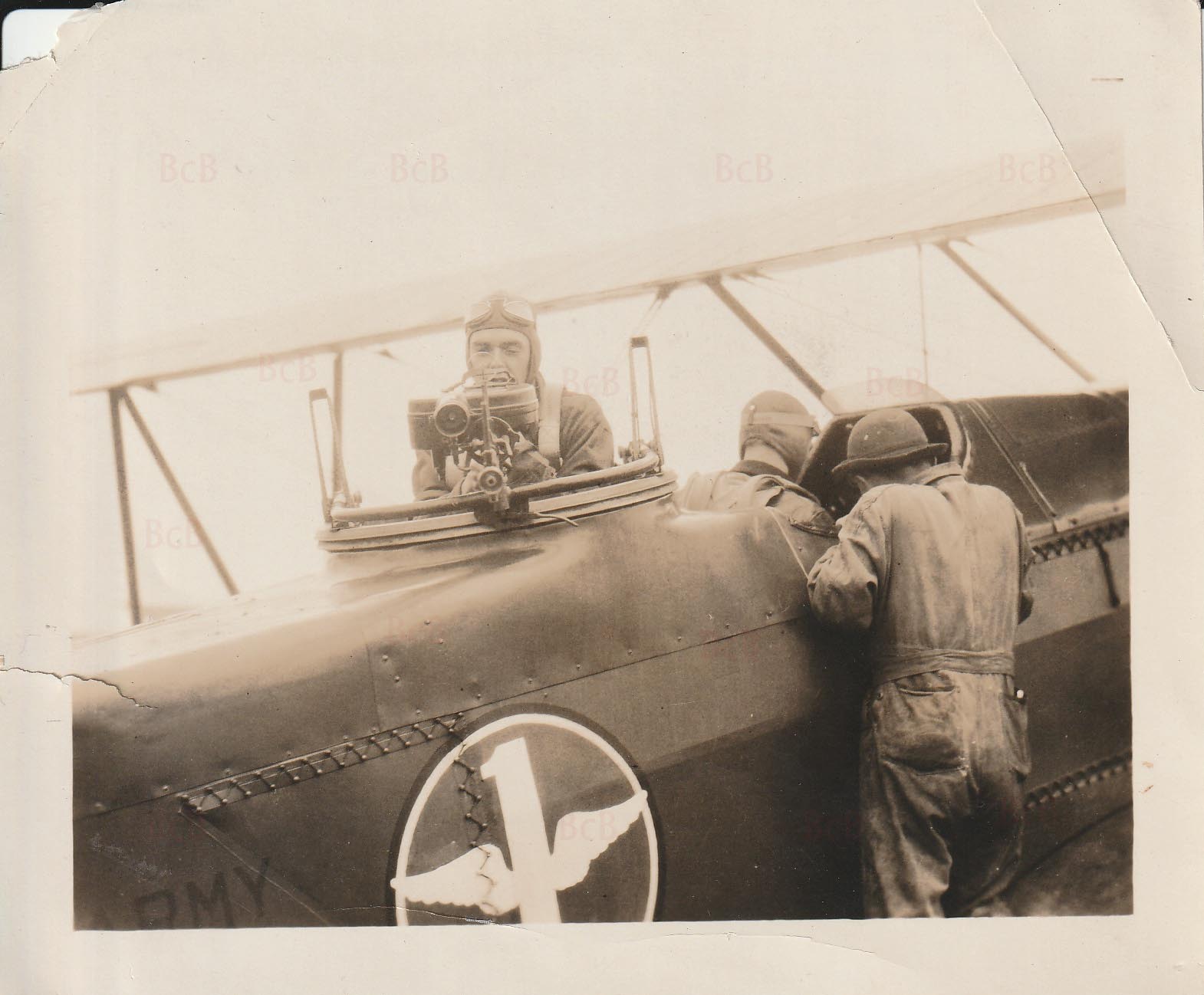
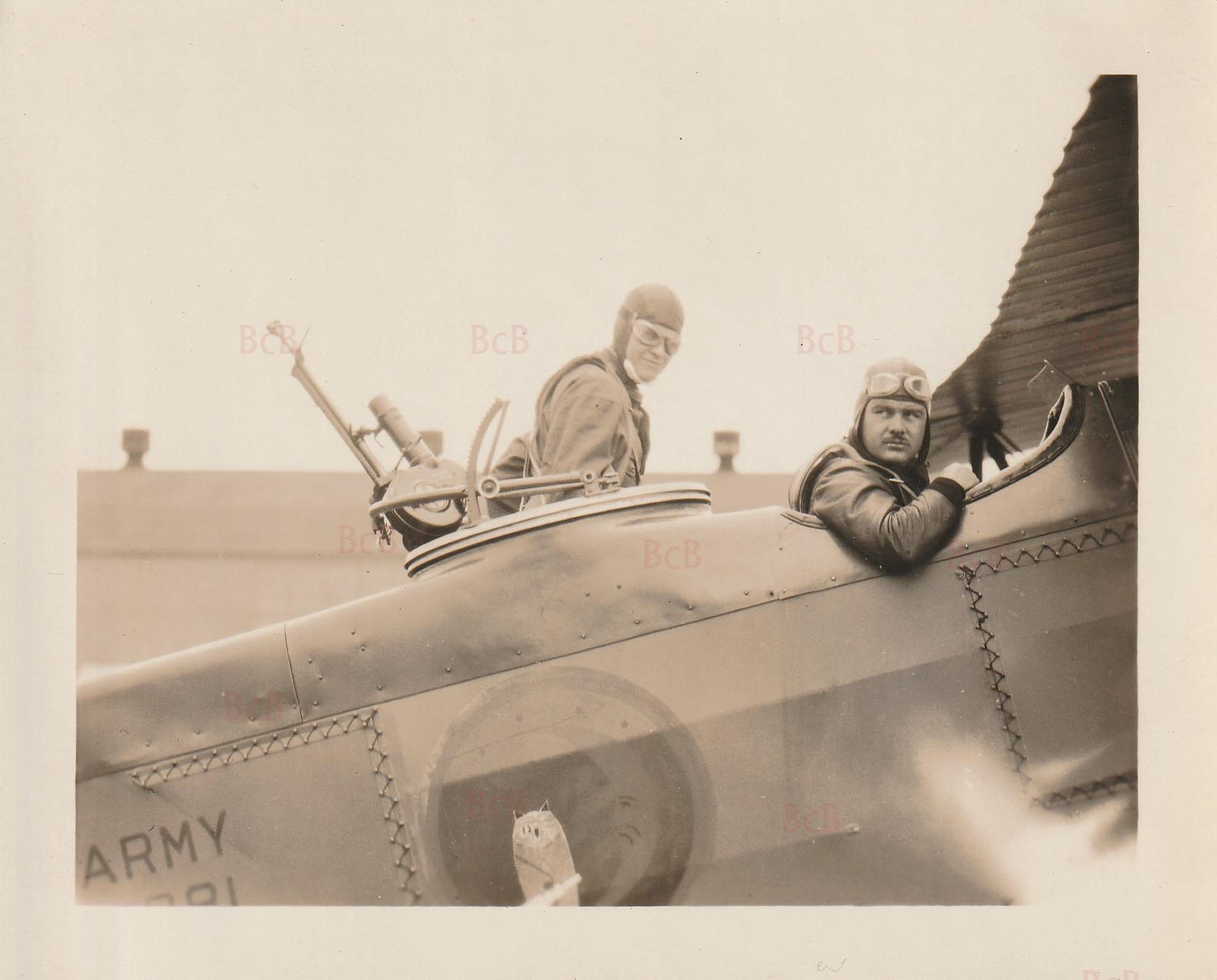
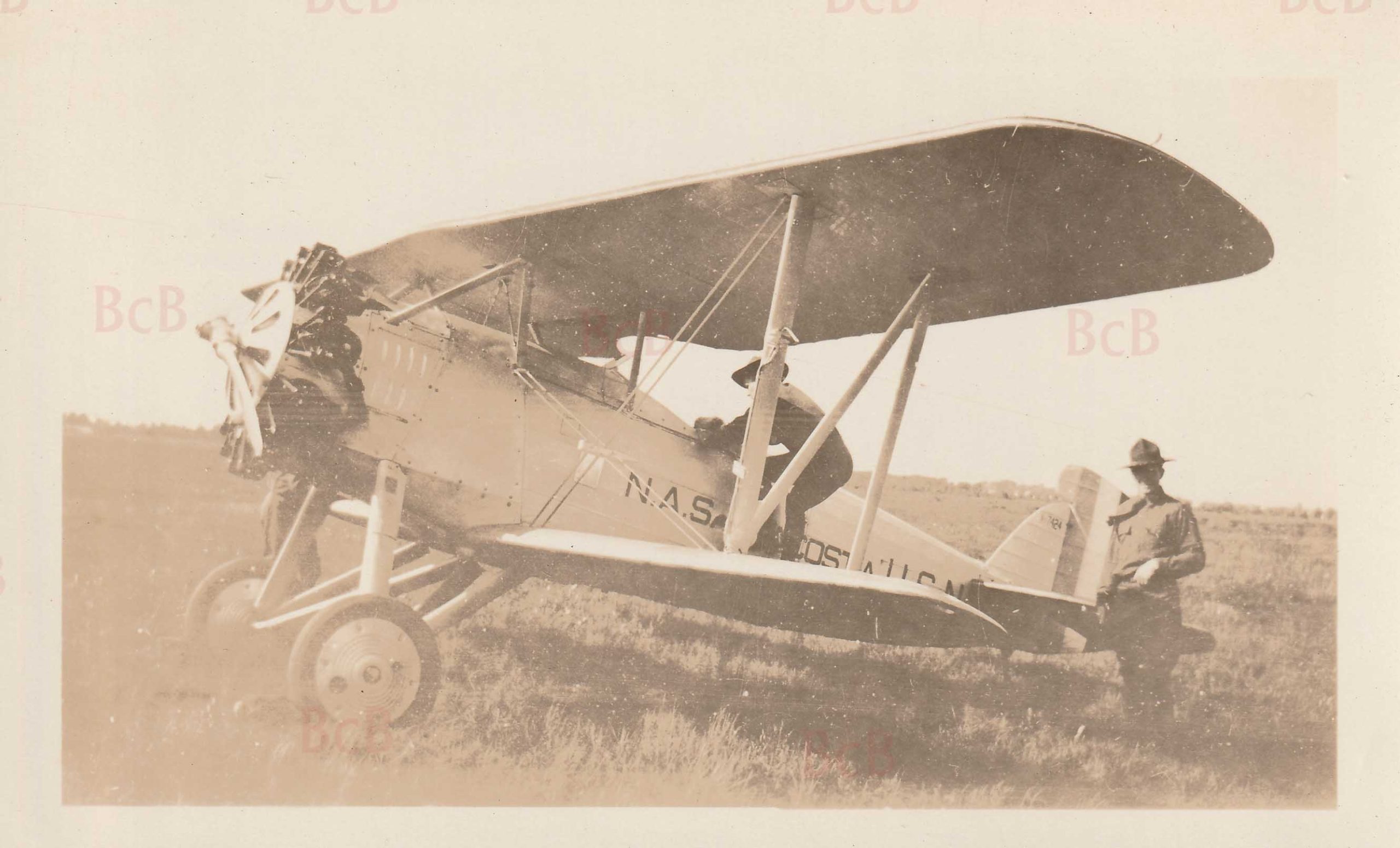
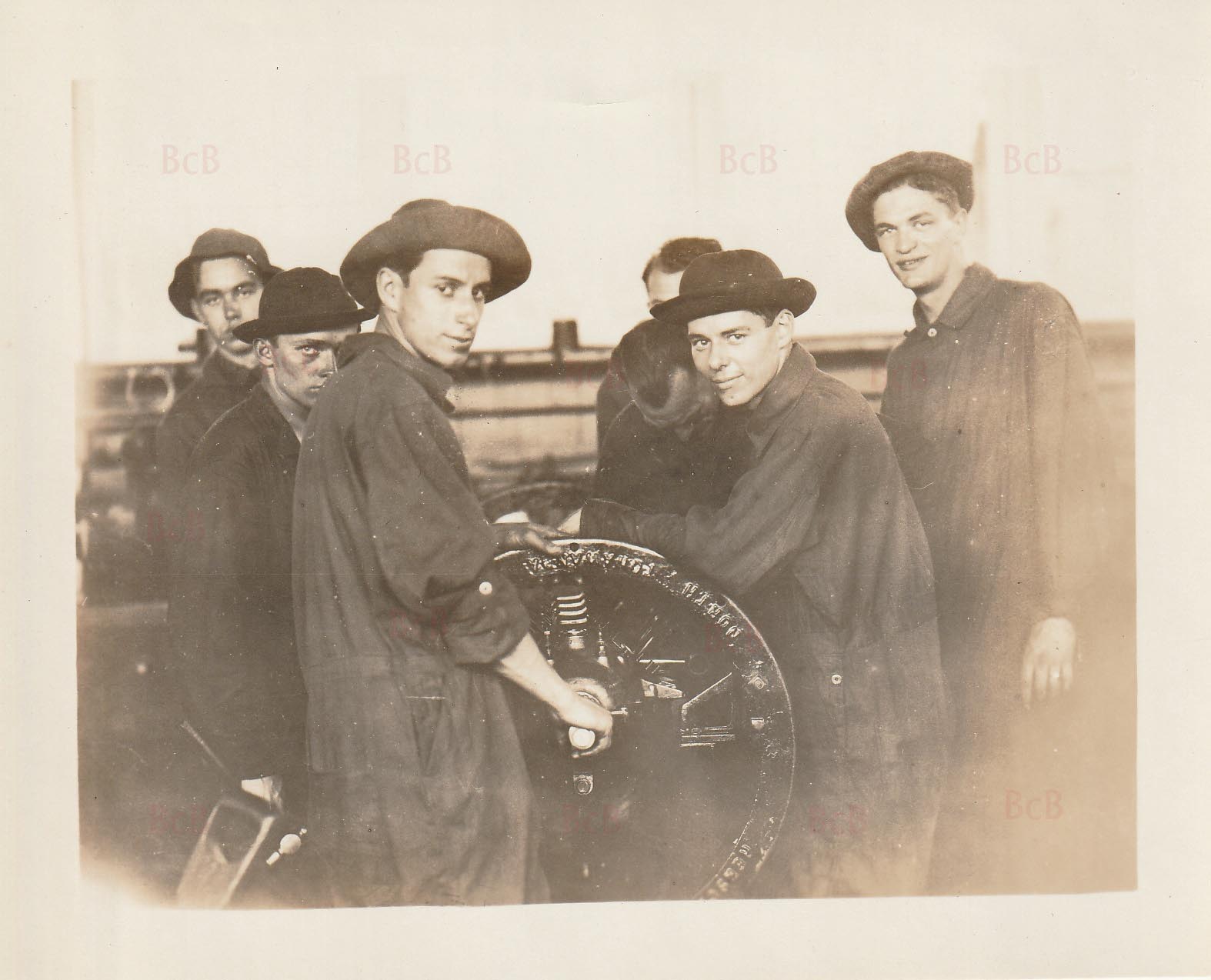
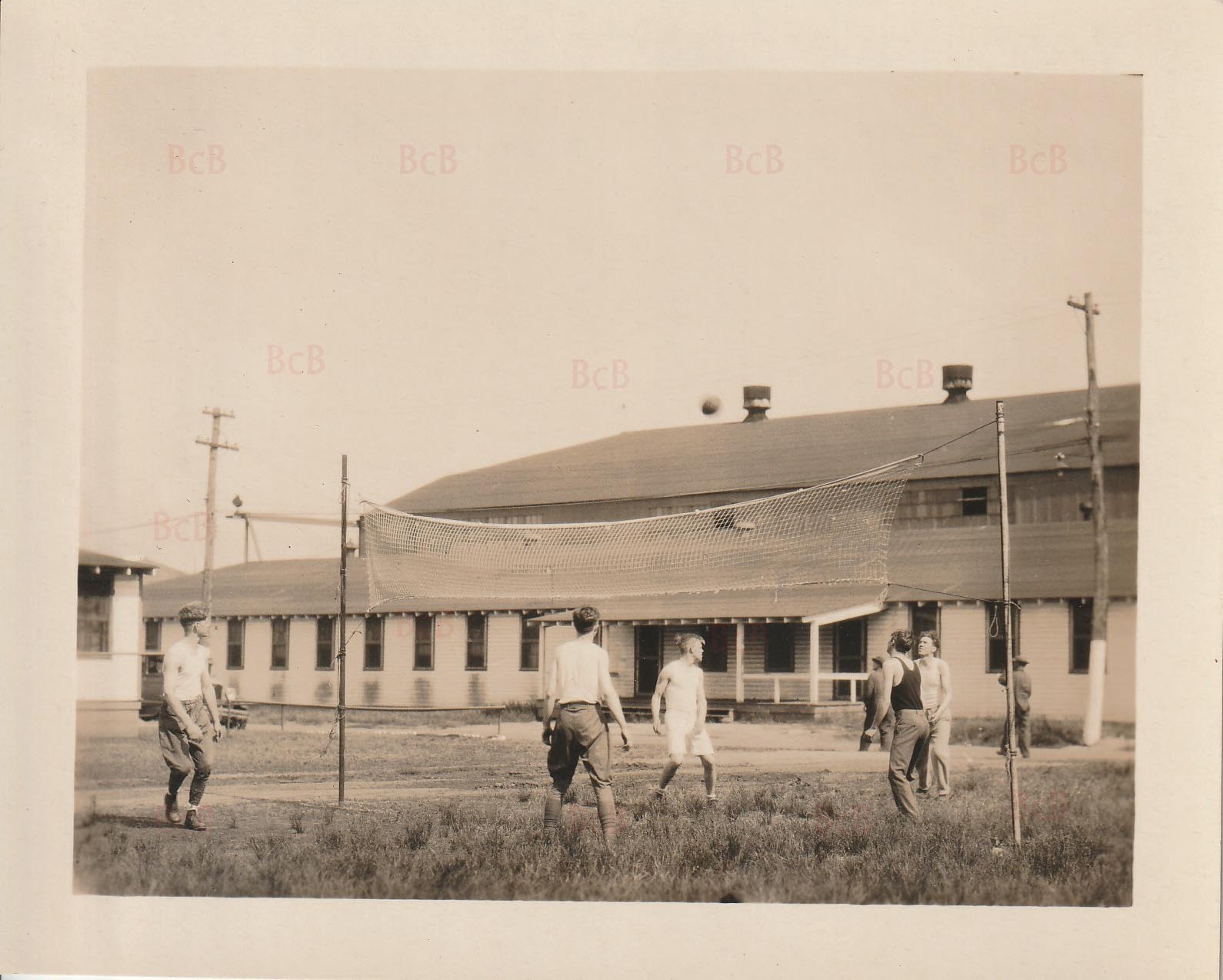
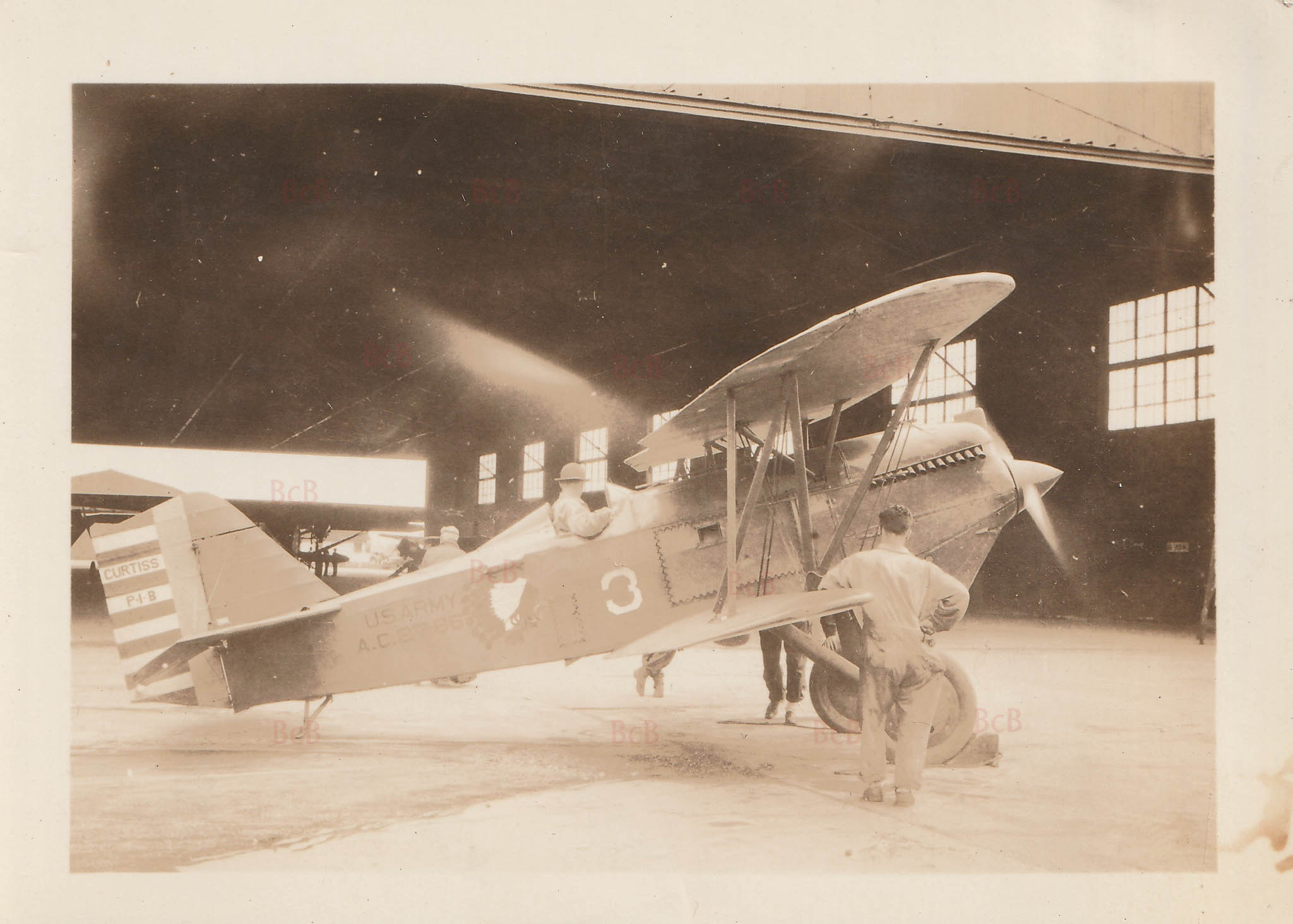
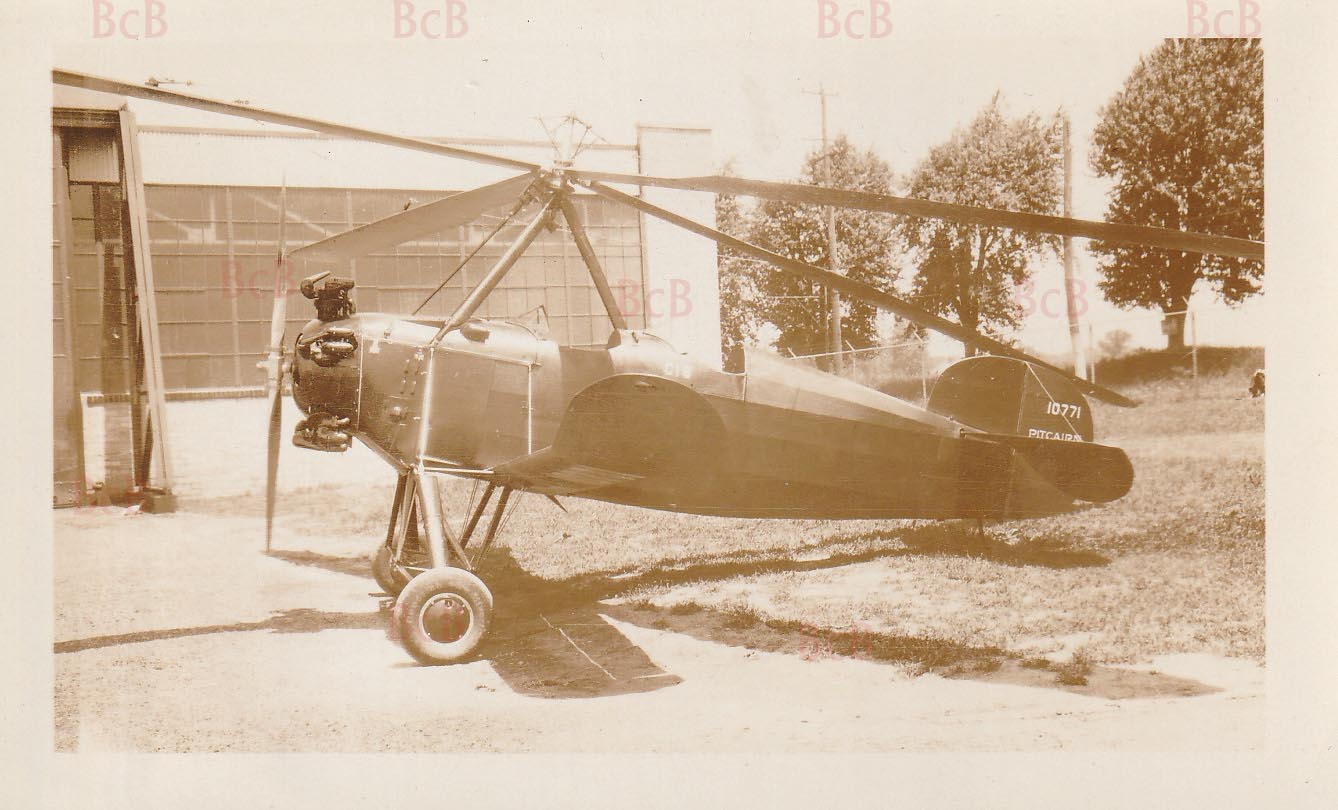
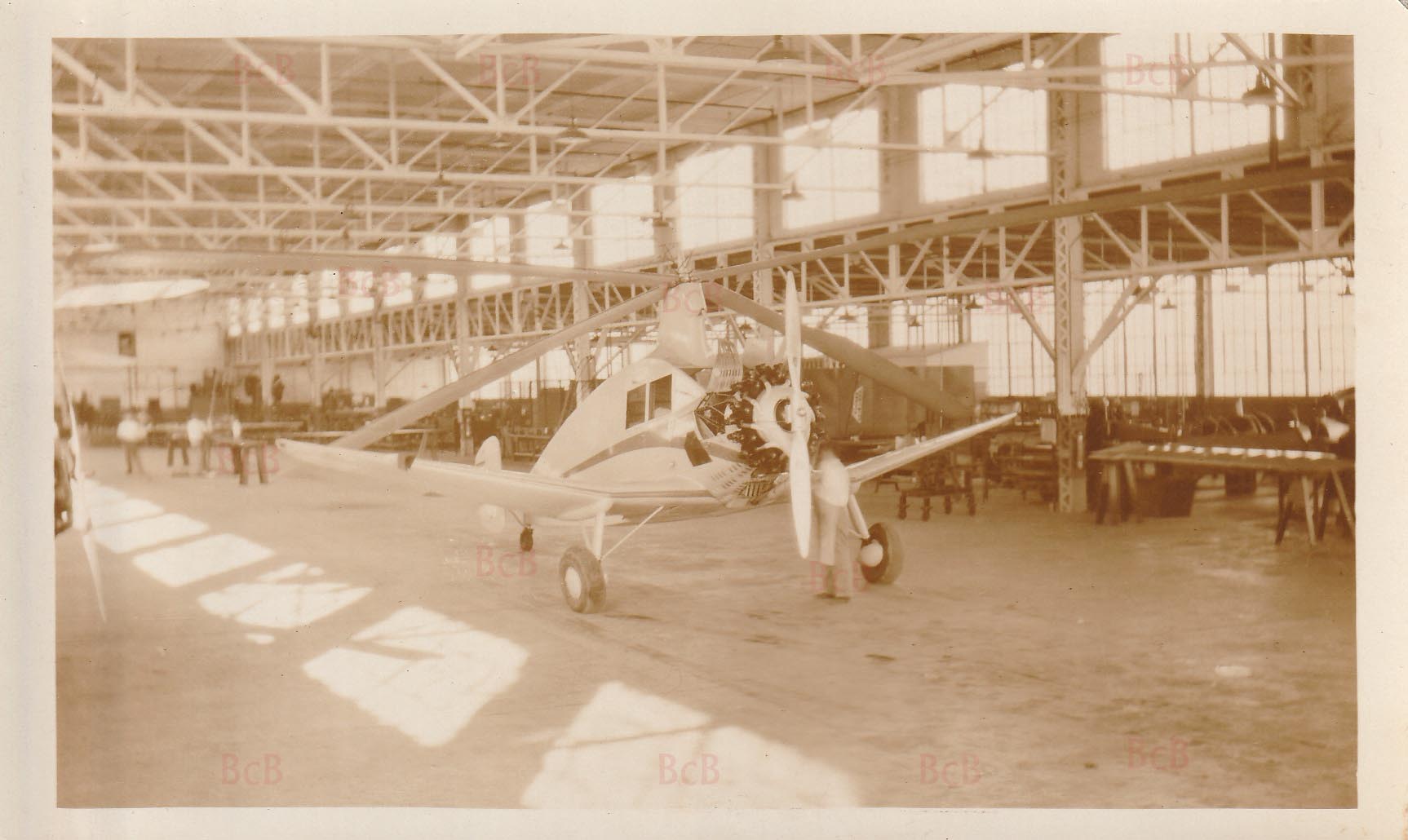
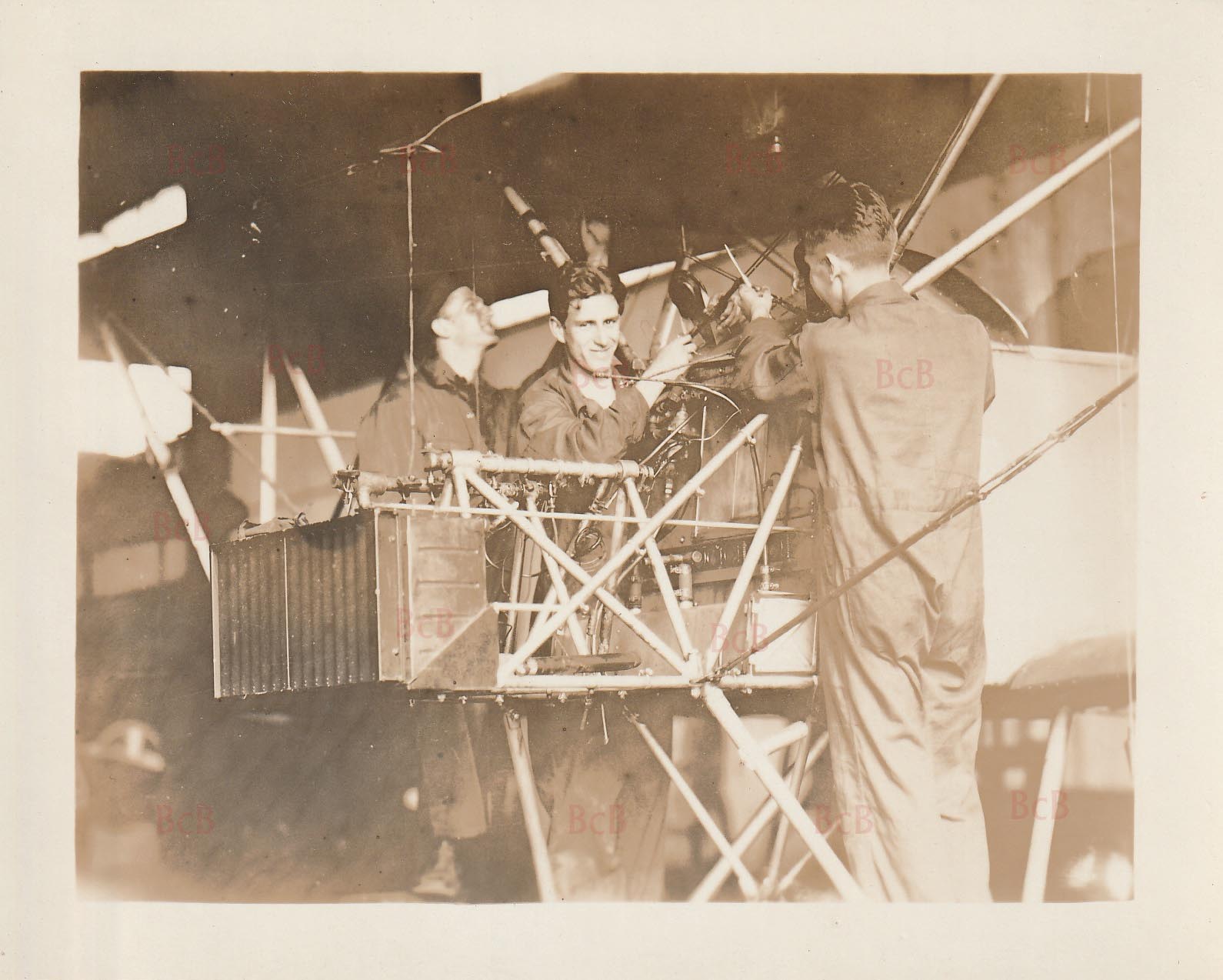
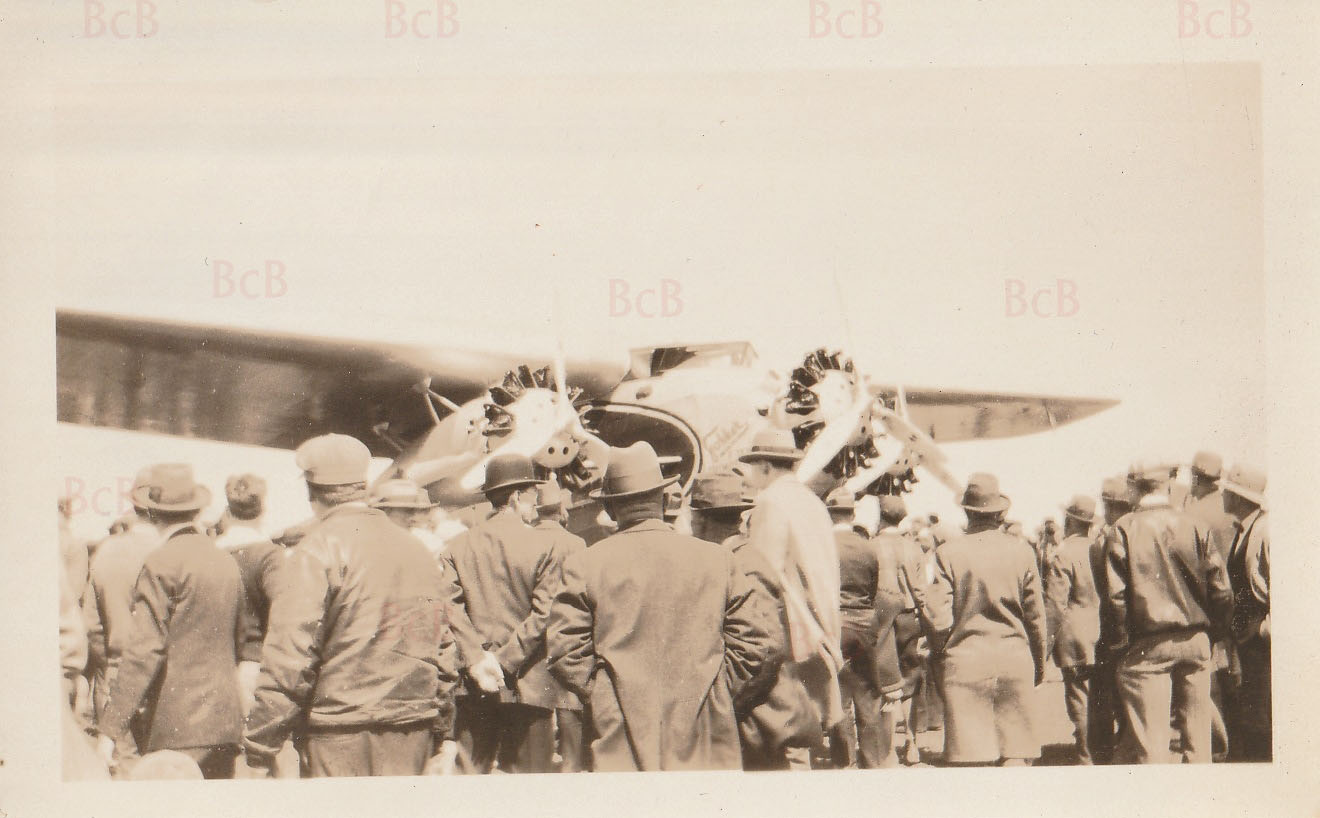
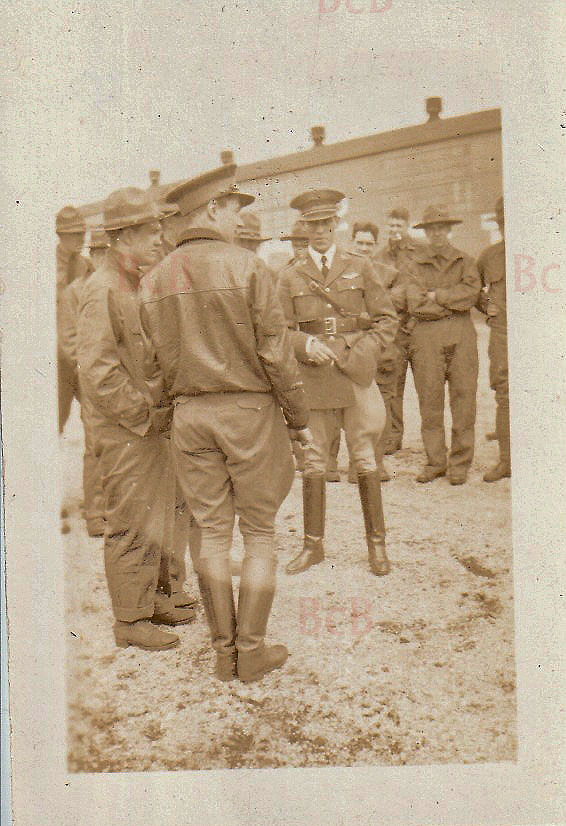
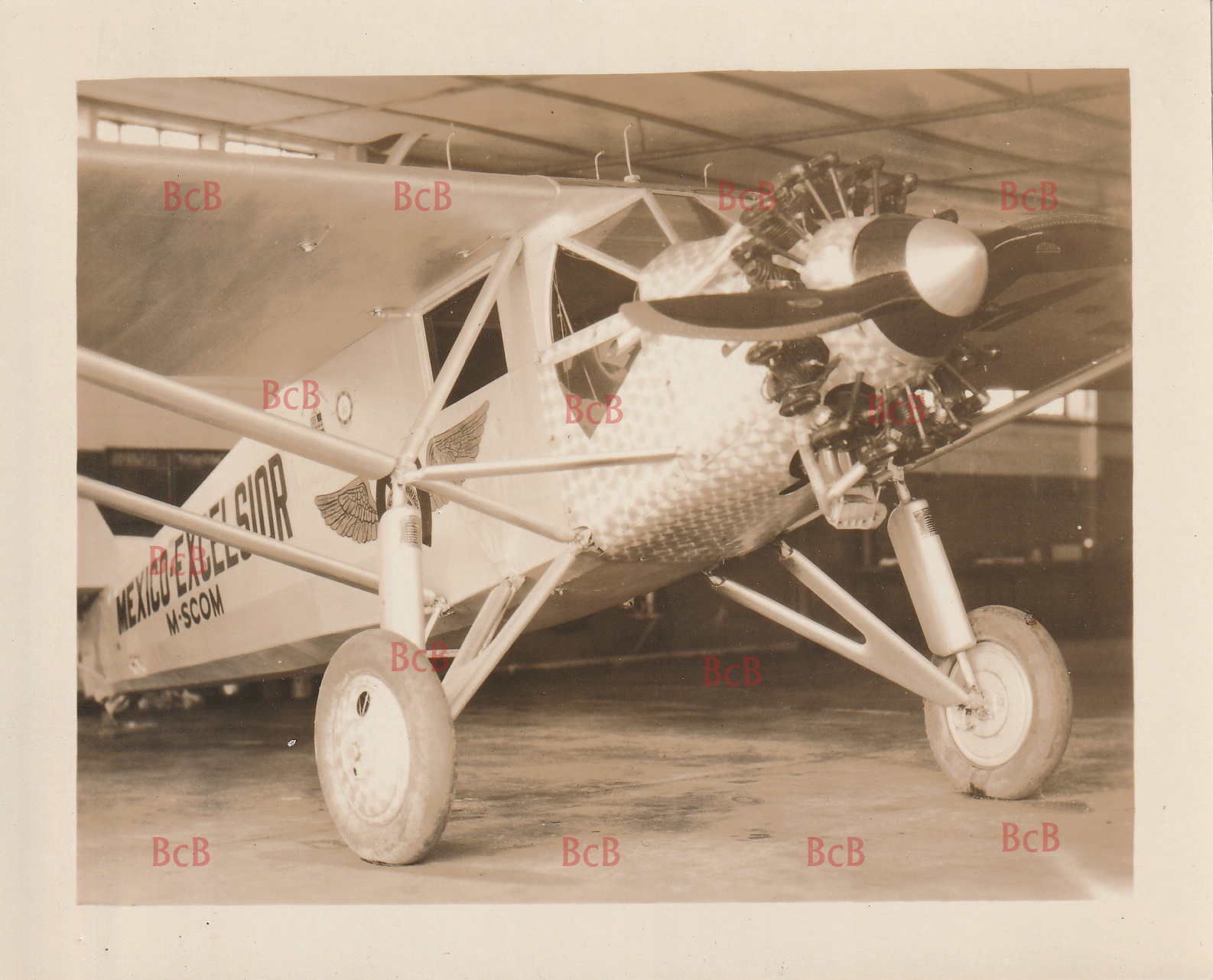
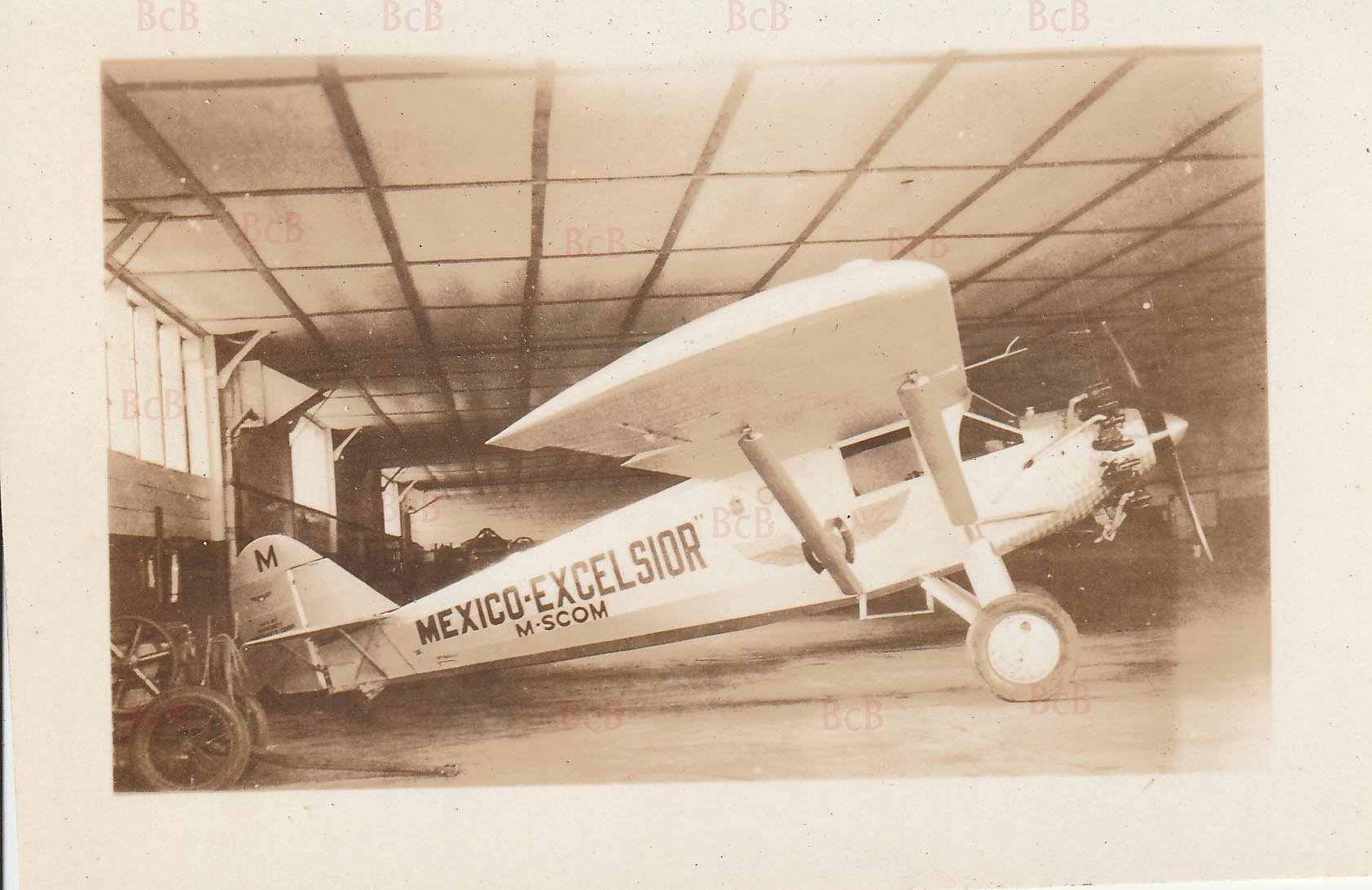
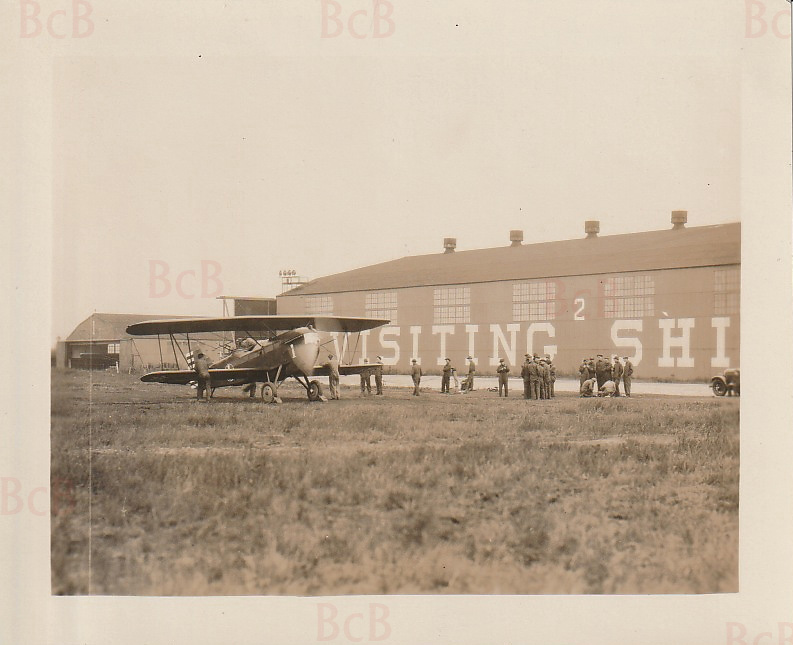
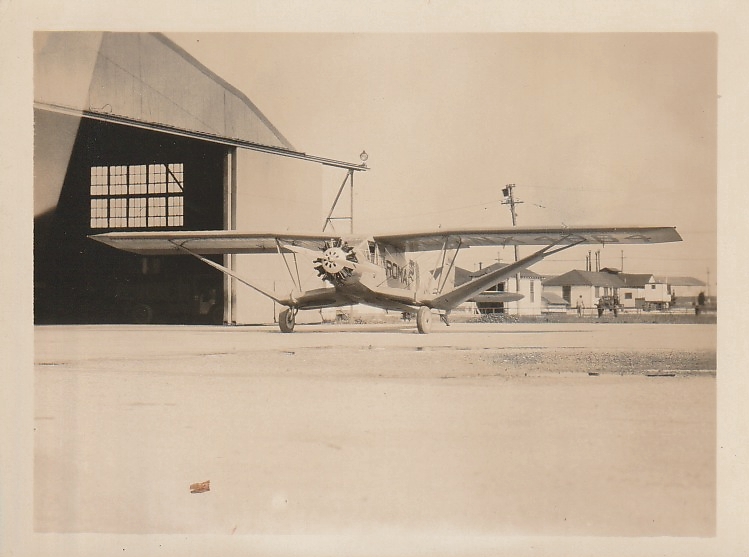
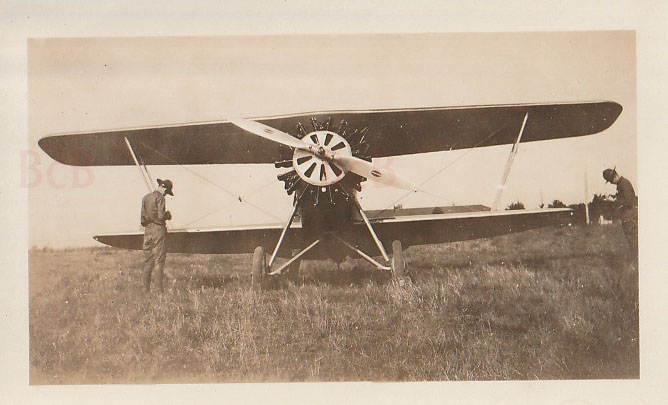
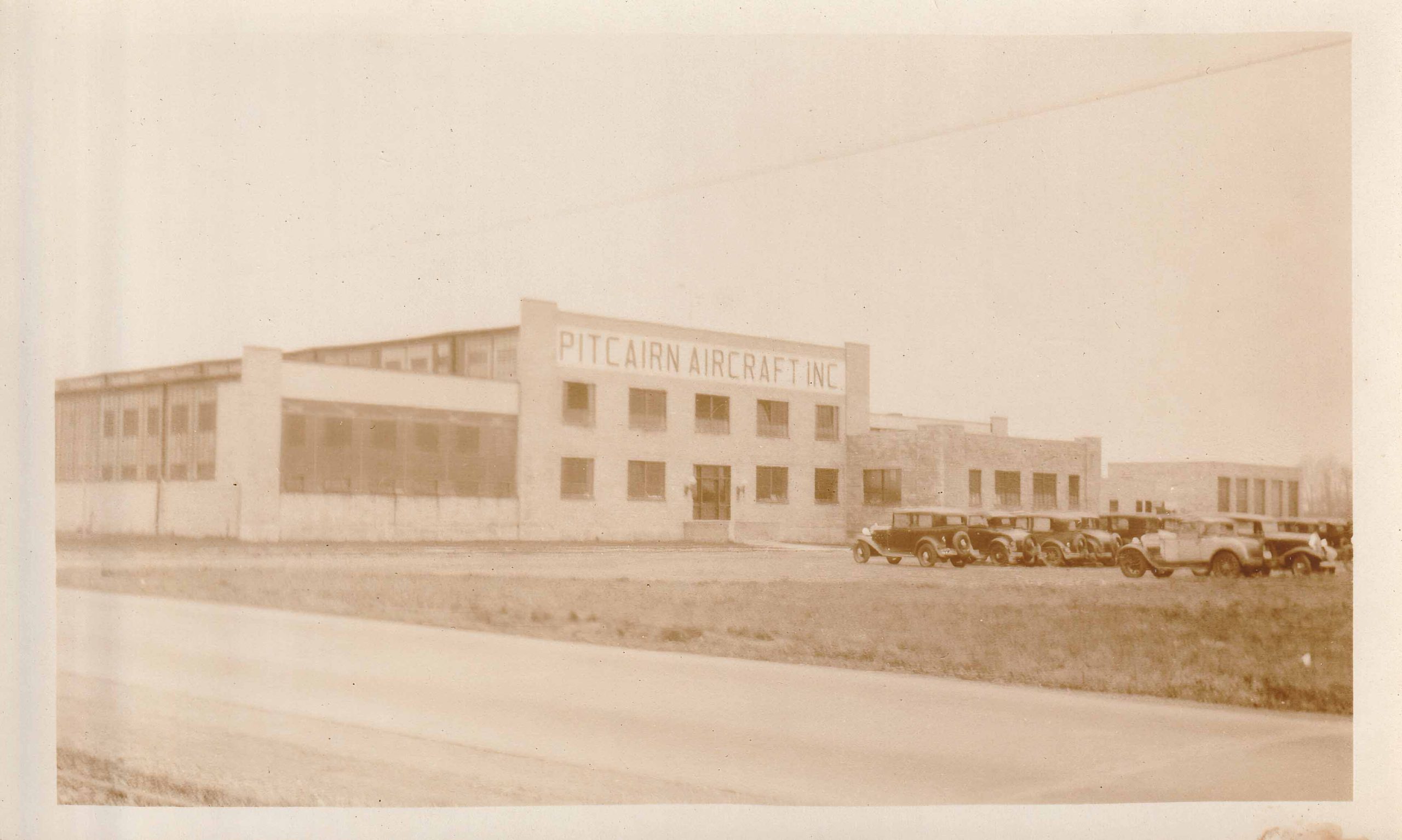
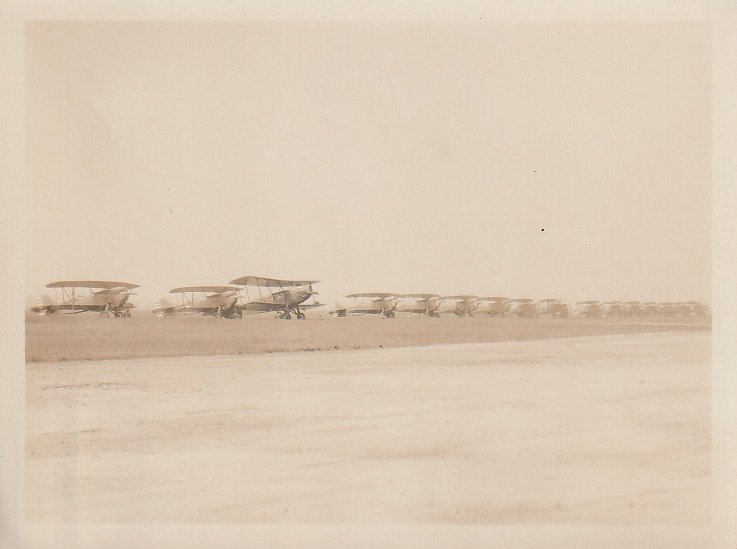
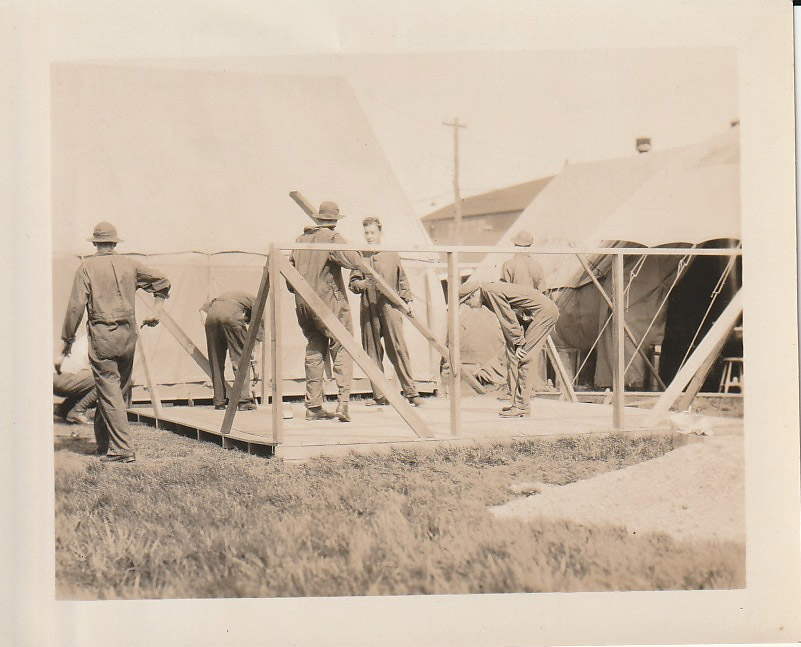
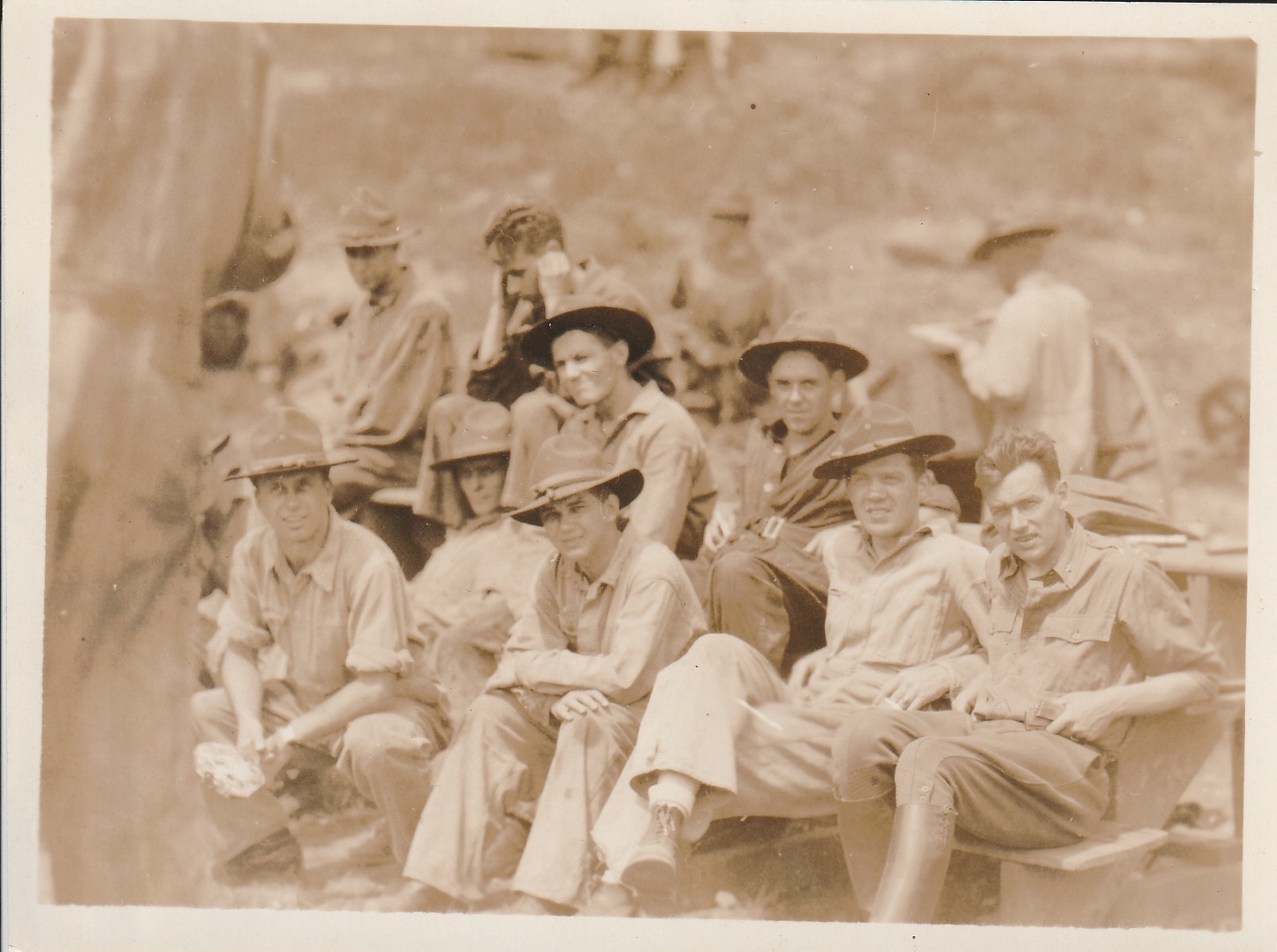
These are his photos that he had taken while he was student – many of which he had written on the backside names and dates. I am hoping the descendants of these US Army Air Service troopers can perhaps find these. Please read on for some background on MIT’s ROTC program, Mitchel Field, and of course to view these photographs.
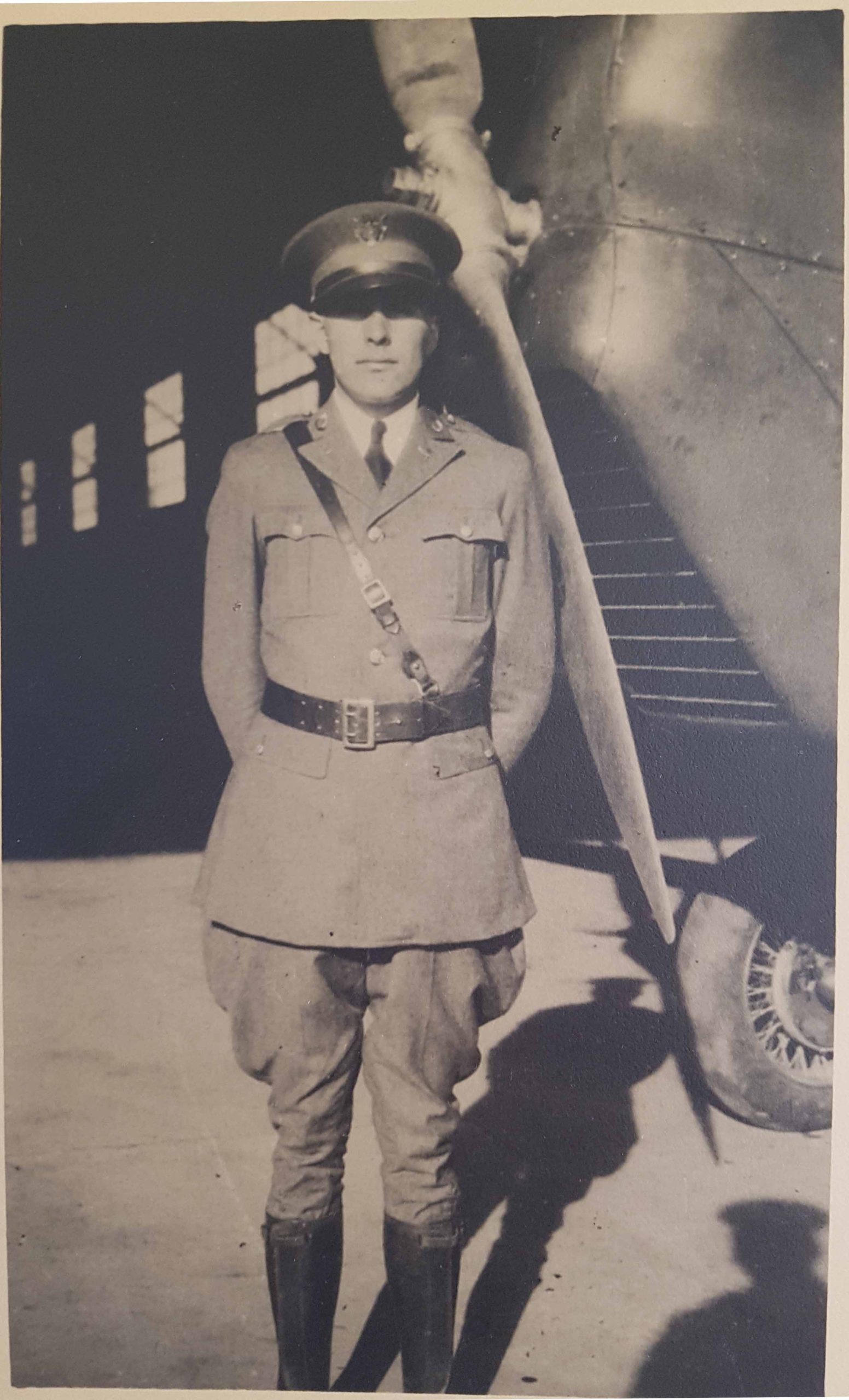
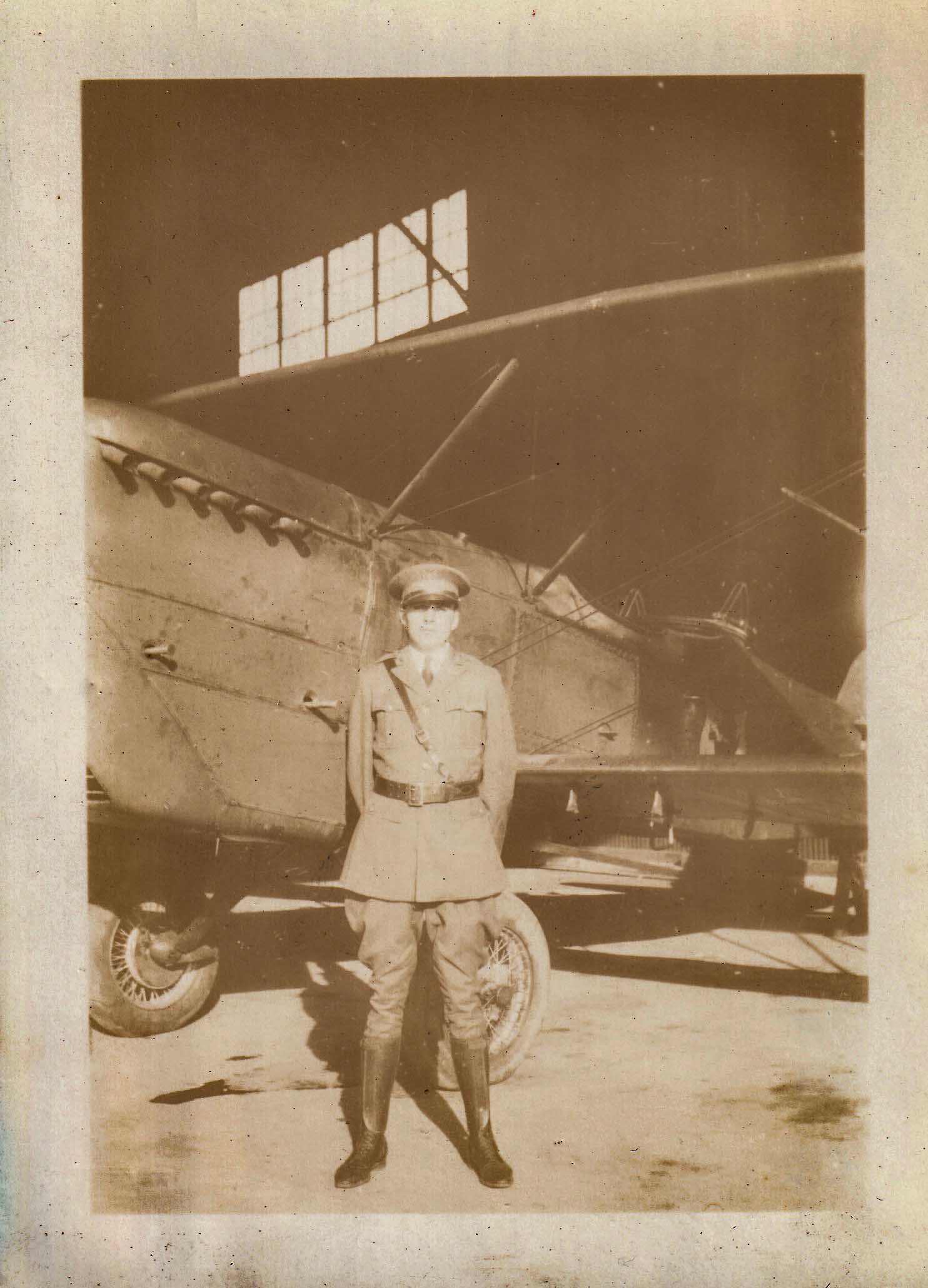
In 1920, MIT became one of just six universities in the country to host a newly formed Air Service unit within Army ROTC — alongside UC Berkeley, Georgia Tech, the University of Illinois, the University of Washington, and Texas A&M. It was a natural fit: MIT’s Army ROTC program, established in 1917 as the Paul Revere Battalion, was already one of the first in the nation, and the Institute’s strength in engineering made it a logical home for the Army’s push to train a new generation of aeronautically literate officers.
The MIT Air Service unit taught ground school on campus — aerodynamics, aircraft engines, aerial navigation, and the theory of flight — while actual flying instruction and observer training took place away from Cambridge, typically during summer encampments at active Army airfields. Cadets who completed the program were commissioned into the Army’s Air Service (redesignated the Air Corps in 1926) as reserve officers, obligated to further annual training to maintain their qualification.
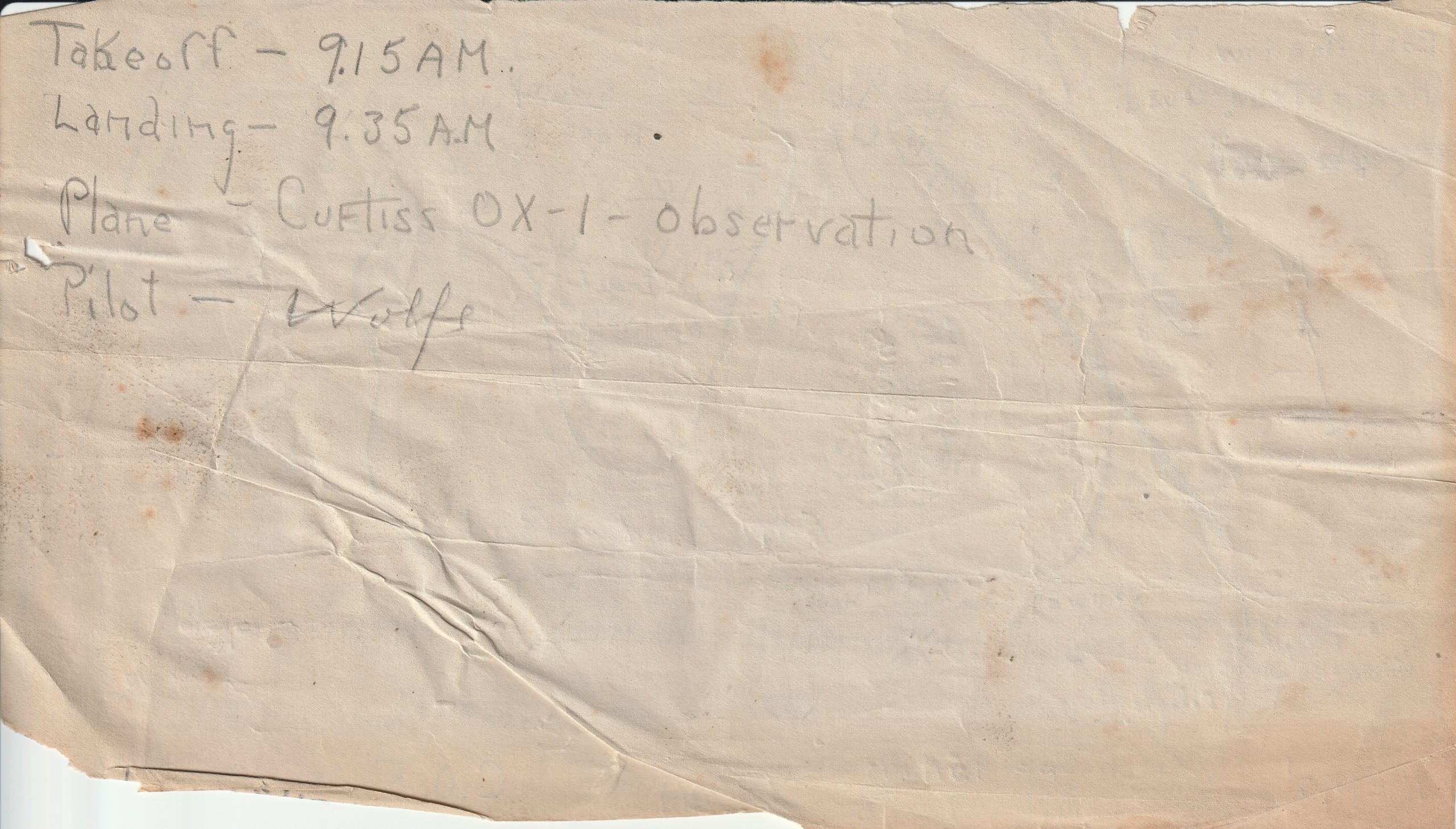
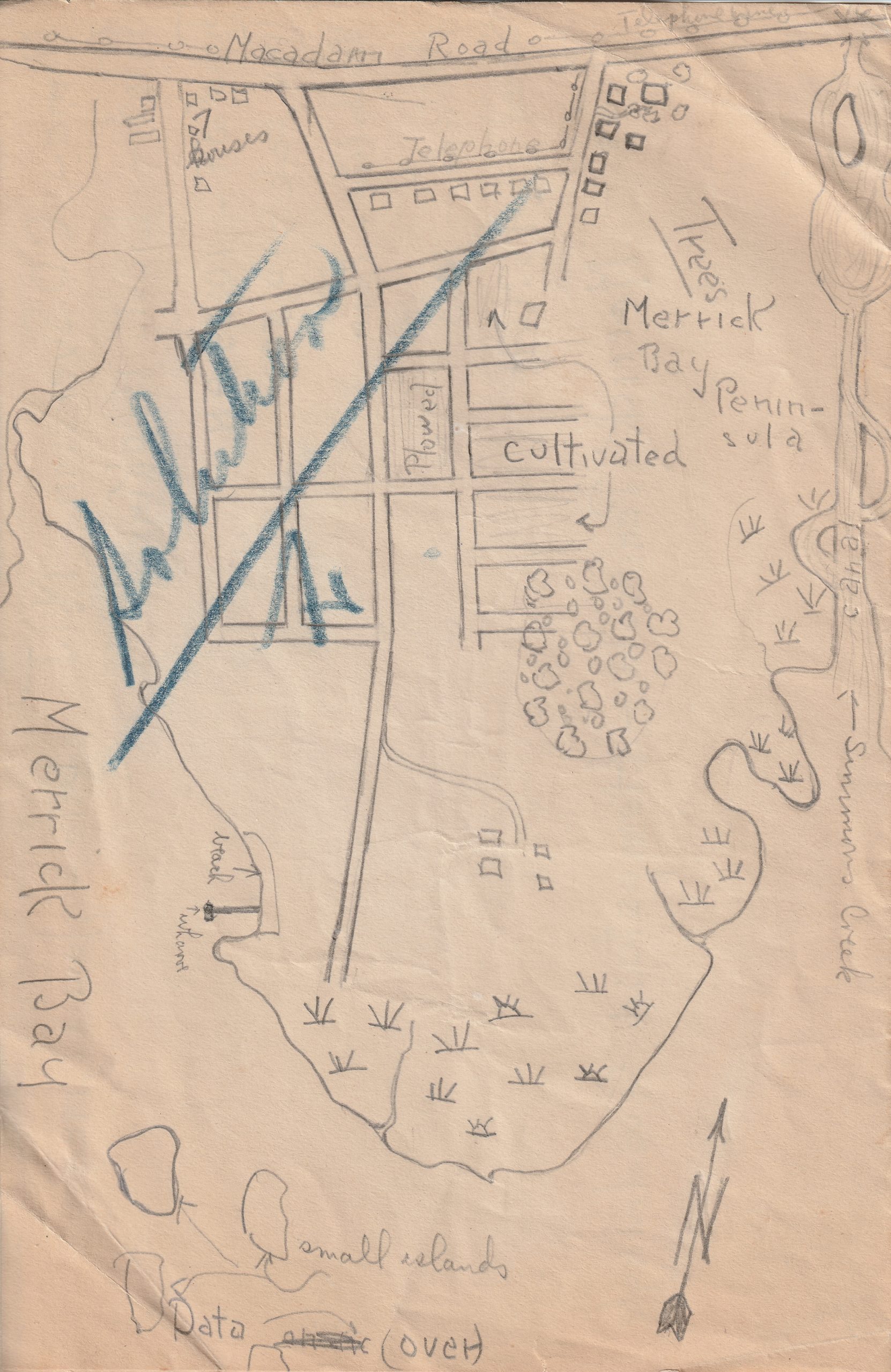
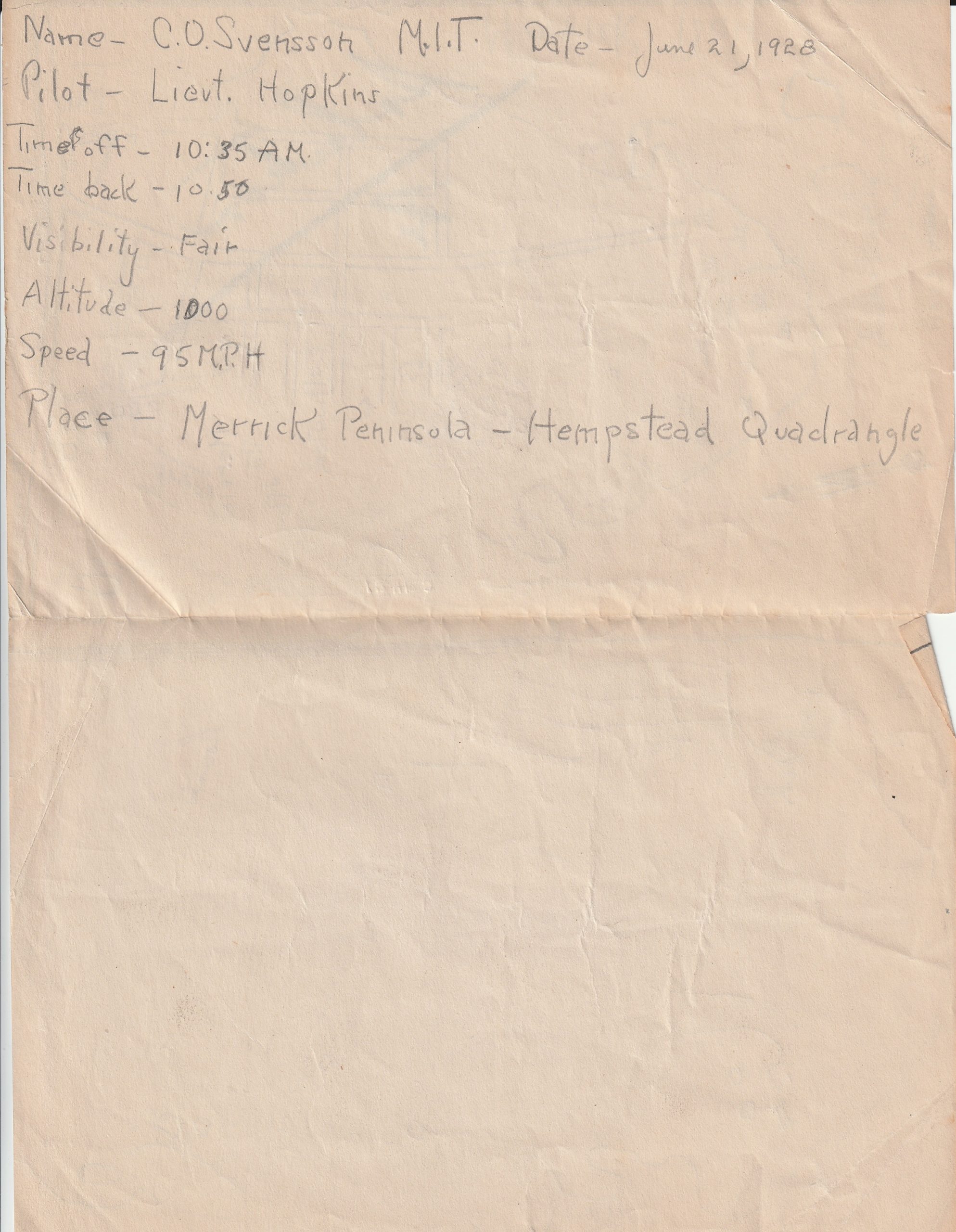
For observers specifically, that training centered on the Curtiss O-1 Falcon, which by the late 1920s had become the Air Corps’ primary observation aircraft, used for reconnaissance, photographic mapping, and coastal patrol along the Eastern Seaboard. Reserve officers like Carl Oscar Svensson — MIT Class of 1931 — would have gone up as observers in the Falcon’s rear seat, sketching and photographing terrain as part of their required training, flying out of fields like Mitchel Field on Long Island, home of the Army’s 9th Observation Group.
The program was short-lived by later standards: budget cuts during the Depression forced the Army to shut down MIT’s Air Service ROTC unit in 1935, and it would not be revived — in a new form, as Air Force ROTC — until after the Air Force became a separate service in 1947.
The photographs on this page are a rare surviving record of that first era: hangars, aircraft, and the young reserve officers who trained in them, in the years just before the Air Corps and its equipment changed beyond recognition.
Carl O. Svensson was the son of my maternal Swedish great grandparents who immigrated (separately not knowing one another) to America in the 1890’s. Carl was born in Brooklyn, NY in 1906 and was raised in Colorado where he met my grandmother when they were in their teens.
After MIT he married my grandmother and settled in Baltimore, Maryland, and my mother was born a couple of years later. By 1940, he had landed a job at Lockheed and moved his parents, wife and daughter (my mom) to Burbank California.
In the late forties, Howard Hughes attempted to recruit my grandfather to work for him in Texas. My grandfather went as far as hiding under the bed with my grandma to avoid Mr. Hughs who had popped by to see if he was around to discuss matters. My grandfather disapproved of Howard Hughes’ social immorality – and tried his best to avoid him. My grandfather was raised by conservative Swedes and he had no room for Mr. Hughes’ public wild social life. No matter how much money was offered, my grandfather chose to stay with Lockheed.
A couple of months after he had passed away in January 1972, I was allowed to go through his desk and keep any mementos. I came across a large envelope with scores of photographs from this period of time.
Life got in the way, and it is only now – 2026 – a hundred years after many of these photos were taken – that I am able to share these photos – most, if not all of them – have never been seen except for my eyes, and perhaps two or three other pairs.
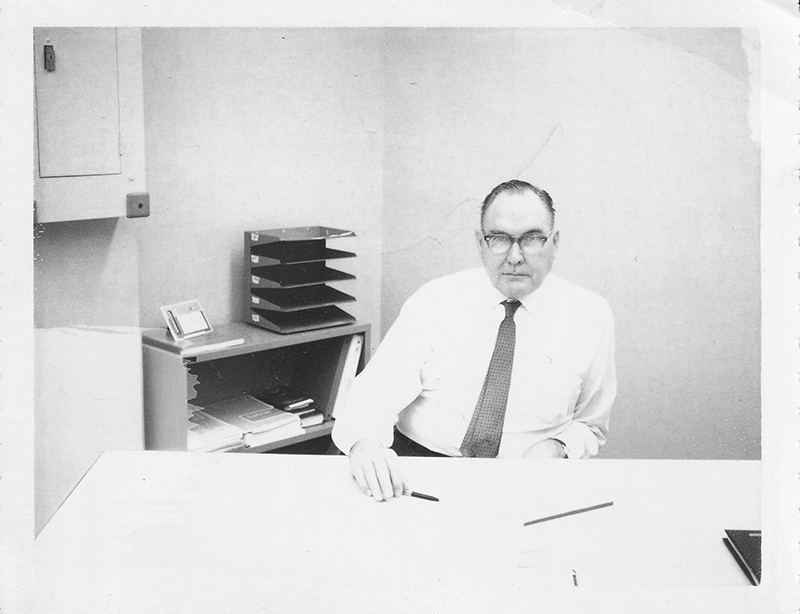
When I was a kid, he was the one who taught me how to shoot, how to bait a hook, and how to throw a punch. This is one of the only photos I have of him at Lockheed, Burbank CA circa mid-late 1960s
These photos are copyrighted by Bryan Bailey © – please respect copyright and intellectual property rights. No unauthorised use without explicit permission – thank you. These photographs were taken by my grandfather 1926 – 1928.
© Bryan Bailey